

Can a backflip dump truck be used for forestry?
In the ever - evolving world of forestry, the selection of appropriate equipment is crucial for ensuring efficiency, safety, and productivity. Backflip dump trucks, a type of vehicle that has been designed with unique unloading capabilities, have become a topic of interest when it comes to forestry applications. As a supplier of backflip dump trucks, I will delve into the feasibility, advantages, and potential challenges of using these trucks in forestry operations.
Understanding Backflip Dump Trucks
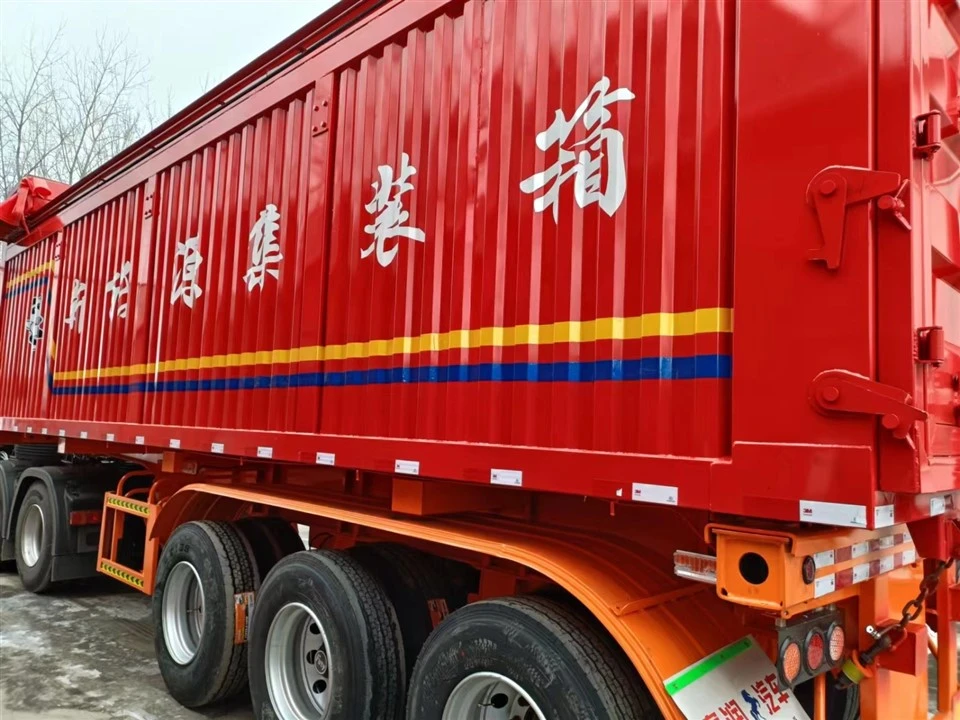
Backflip dump trucks are characterized by their ability to unload materials by flipping the cargo bed backward. This design offers several benefits, such as a more efficient unloading process compared to some traditional dump trucks. There are different variations of backflip dump trucks, including the Side Flip Dump Truck, which provides an alternative flipping mechanism for flexible unloading. Another option is the Heavy - Duty Three - Axle Side - Tipping Dump Truck, which combines sturdiness with the ability to tip the load to the side. Additionally, the Skeleton Rear Tipping Semi - Trailer offers a semi - trailer option for large - scale cargo transportation and unloading.
Feasibility of Using Backflip Dump Trucks in Forestry
One of the key factors in determining the feasibility of using backflip dump trucks in forestry is the nature of the forestry operations. Forestry work often involves the transportation and unloading of logs, timber, and wood chips. Backflip dump trucks can be well - suited for these tasks. The ability to quickly and efficiently unload materials is essential in forestry, where time is of the essence. For example, when transporting logs from the logging site to a processing facility, a backflip dump truck can rapidly offload the logs, reducing idle time and increasing overall productivity.
The terrain in forested areas can be challenging, with uneven ground, slopes, and obstacles. Backflip dump trucks are typically built with robust suspension systems and powerful engines, which enable them to navigate through rough terrain. However, careful consideration must be given to the ground conditions during unloading. The backward flipping motion of the cargo bed requires a relatively stable and flat surface to ensure safe operation. In some forestry sites, where the ground is soft or uneven, additional measures may need to be taken to prepare the unloading area.
Advantages of Backflip Dump Trucks in Forestry
- Efficient Unloading: As mentioned earlier, the backflip mechanism allows for a quick and efficient unloading process. In forestry, where large quantities of logs or wood chips need to be moved, this can significantly reduce the time spent on unloading, leading to increased throughput.
- Versatility: Backflip dump trucks can handle a variety of forestry materials, including logs of different sizes and wood chips. The design of the cargo bed can be customized to accommodate specific requirements, such as the length and diameter of the logs.
- Safety: Modern backflip dump trucks are equipped with advanced safety features. For example, hydraulic locking systems prevent the cargo bed from accidentally flipping during transportation. Additionally, the design of the truck's cab provides a clear view of the unloading area, reducing the risk of accidents.
Potential Challenges
- Ground Conditions: As previously noted, the uneven and often soft ground in forested areas can pose a challenge for backflip dump trucks. If the ground is not stable enough during unloading, the truck may tip over, causing damage to the vehicle and potentially injuring the operator.
- Space Requirements: The backward flipping motion of the cargo bed requires a certain amount of space behind the truck. In dense forest areas, finding a suitable area with enough clearance for unloading can be difficult.
- Maintenance: The complex mechanical and hydraulic systems of backflip dump trucks require regular maintenance. In forestry operations, where the trucks are exposed to harsh environmental conditions, such as dirt, mud, and moisture, the maintenance requirements may be even more demanding.
Case Studies and Real - World Applications
There have been instances where backflip dump trucks have been successfully used in forestry. In some large - scale logging operations in North America, these trucks have been employed to transport and unload logs from remote forest sites to nearby sawmills. The efficiency of the backflip unloading mechanism has allowed for a faster turnaround time, resulting in increased production and reduced costs.
However, there have also been challenges. In some European forestry projects, the limited space in the forest and the soft ground conditions have required operators to modify their unloading procedures. For example, in some cases, temporary platforms have been constructed to provide a stable surface for the backflip dump trucks to unload.
Future Outlook
The future of using backflip dump trucks in forestry looks promising. With advancements in technology, we can expect to see more improvements in the design and performance of these trucks. For example, the development of more advanced suspension systems and ground - sensing technologies can help overcome the challenges posed by uneven terrain. Additionally, the use of lightweight and durable materials in the construction of the cargo bed can increase the payload capacity of the trucks while reducing fuel consumption.

Contact for Procurement
If you are involved in forestry operations and are considering the use of backflip dump trucks, I encourage you to reach out for a detailed discussion. We can provide you with more information about our range of backflip dump trucks, including the Side Flip Dump Truck, Heavy - Duty Three - Axle Side - Tipping Dump Truck, and Skeleton Rear Tipping Semi - Trailer. We can also offer customized solutions based on your specific forestry needs. Contact us to start the procurement process and take your forestry operations to the next level.
References
- Forest Engineering Handbook, various authors.
- Journal of Forestry Equipment and Technology, multiple issues.
- Case studies from leading forestry companies in North America and Europe.


