


Transport Semi-trailer
Why Choose Us?
High Quality: Company has the first- -class standard and strong product ion capacity of flow process production tooling equipment,the use of advanced production technology and high quality raw materials and spare parts,with reliable quality assurance system, the maximum to meet user needs, Sincerely provide users with advanced, high quality series of special trailers.
Complete Range Of Products: Rear dump, side dump, powder material transport vehicle, warehouse semi-trailer, low flatbed, skeleton semi-trailer, container semi-trailer, large cargo transport semi-trailer, wind power equipment transport semi-trailer, flatbed transport semi-trailer, engineering equipment transport semi-trailer.
Advanced Equipment: Automatic longitudinal beam submerged arc welding line, advanced CNC web punching production line, fiber laser cutting machine cutting, automated web CNC punching production line, automated robot welding, automated longitudinal beam submerged arc line.
- Dongfeng Oil Tank Semi-trailer
- F3000 Mixer Truck
- Flammable Liquid Tank Transporter
- Tank Transport Semi-trailer
Gas Tank Semi-trailer
Cryogenic Liquid Semi-trailer
Corrosive Goods Semi-trailer
Cement Tank Semi Trailer
Dangerous Goods Transport Semi-trailer
Fly Ash Transport Semi-trailer
Low Density Powder Material Carrier
Liquid Food Transport Semi-trailer




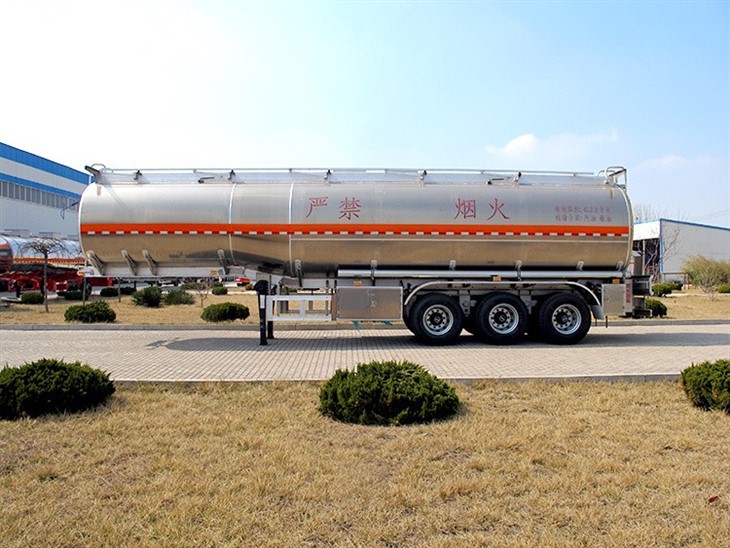
What Is Tank Semi-Trailer
Tank trailer trucks, often simply referred to as tanker trucks, come in various sizes and configurations to cater to a wide range of applications. Their versatility is one of their primary benefits, as they can transport liquids such as water, chemicals, and petroleum products, as well as dry bulk materials like grain, cement, and sand. This adaptability makes asphalt tankers and trailer trucks indispensable in industries like logistics, agriculture, construction, and energy.
Types of Tank Semi-Trailers
Tankers and trailer trucks come in several different types, each designed for specific cargo and operational requirements. Let's explore some of the most common types:
Liquid Tank Semi-trailers
Liquid tank semi-trailers are designed to transport liquids, including water, milk, chemicals, and petroleum products. They typically feature cylindrical tanks made of stainless steel or aluminum to prevent corrosion and contamination. These tanks are insulated and often have multiple compartments to carry gallons of different liquids simultaneously.
Dry Bulk Tank Semi-trailers
Dry bulk tank semi-trailers are ideal for transporting granular or powdered materials such dry bulk material such as grain, cement fuel oil, sugar, or plastic pellets. These trucks have specialized tanks equipped with a discharge :System, usually via air pressure or gravity, to efficiently unload the cargo.
Gas Tank Semi-trailers
Gas tank semi-trailers are specifically built to transport gases like propane, natural gas, or compressed air. These full-tank trucks have high-pressure tanks and safety features to handle volatile and pressurized cargo safely.
Vacuum Tank Semi-trailers
Vacuum tank semi-trailers are used for the collection and transport of liquids, oil, sludge, and hazardous waste. They utilize a vacuum pump to create a high center of suction, allowing them to load and unload materials efficiently.
Asphalt Tank Semi-trailers
Asphalt tank semi-trailers and trailers are designed to transport hot liquid asphalt for road construction and maintenance. They have insulated tanks, cylinders, and heating systems to keep the asphalt at the desired temperature during transportation.
Food-grade Tank Semi-trailers
Food-grade tank semi-trailers are equipped to transport food products like milk, juice, or edible and vegetable oils. They feature tanks made of materials that meet food safety regulations and are easy to clean.
Tank Semi-Trailer Basics
Whether they're constructed of carbon steel, stainless steel, fiberglass reinforced plastic, or aluminum, tank semi-trailers come in three basic designs – baffles, bulkheads, and smoothbores. These designs aren't motivated by aesthetics, though. They're aimed at impacting the way liquid cargo moves while the vehicle is in operation and, ideally, reducing the chances of spills and accidents.


Baffles
These tankers contain angled dividers with holes designed to slow the back-to-front motion of liquid cargo and keep it distributed evenly. This makes for a more smooth and stable ride.
Bulkheads
Bulkhead tankers feature solid dividers that create mini-storage compartments inside the tanker that can be used to carry a variety of liquids at once. Like baffles, the design of the bulkhead helps minimize the back-and-front motion of the liquid being transported.
Smoothbores
Smoothbore tankers, which are sometimes referred to as unbaffled tankers, have one smooth, long interior compartment which makes them easier to clean and sanitize. However, without the barriers found in baffles and bulkheads, it also allows the liquid cargo to move around freely which can sometimes adversely affect the vehicle's operation.
Sizes
Just like cars and trucks, tank semi-trailers vary greatly in terms of size. Their capacity is measured by their gross vehicle weight rating, which is the weight of the vehicle – in pounds – after it's been loaded up with cargo.
Small tank semi-trailers have a maximum capacity ranging from 1,000 to 3,000 gallons and are often used to transport cargo within local communities. You may see tank semi-trailers of this size bringing fuel to planes at the airport or delivering domestic fuels like liquified petroleum gas to homes and businesses. Larger tank semi-trailers, on the other hand, can hold up to 11,600 gallons and are generally built to go much longer distances and deliver their cargo in bulk.
Licenses and compliance regulations
Because of their size and the type of cargo, they transport, tank semi-trailers – and the people who drive them – are heavily monitored and regulated by the federal motor carrier safety administration.
We also mentioned the maximum capacity (in gallons) that tank semi-trailers can carry safely. And we didn't even get to tell you that dry bulk material is measured in cubic feet. Yep, that's a lot of math!
With so many different types of measurements involved, it's crucial that fleet managers pay close attention when calculating the weight of their cargo to stay in compliance with the law and avoid costly fines.
Product Holding Capacity for Different Tank Semi-Trailer Types
Different bulk materials have varying properties that must be accounted for during transportation to protect product quality and safety. For this reason, transporters use different tank semi-trailer types to accommodate these unique requirements.
Chemical Tank Tank Semi-trailer: Chemical tank tank semi-trailers are meticulously designed to transport hazardous materials without compromising safety. The size of these tank semi-trailers varies based on the specific gravity and weight per gallon of the cargo. Smaller tanks, with capacities ranging from 3,800 to 5,000 gallons, are used for denser products, while standard chemical tank semi-trailers hold between 6,000 and 7,000 gallons.
Crude Oil Tanker Tank Semi-trailer: The transportation of crude oil demands specialized tank semi-trailers that can handle the unique properties of this precious liquid. These tank semi-trailers have varying capacities, with some extending up to 16,800 gallons.
Petroleum Fuel Tank Tank Semi-trailer: Petroleum fuel tank tank semi-trailers are integral to keeping vehicles and industries running smoothly. With 9,000 to 9,800 gallons of capacity, these tank semi-trailers offer versatility through multiple compartments, bulkheads, and unique designs.
Sanitary Or Food Grade Tank Tank Semi-trailer: Food-grade products require tank semi-trailers that adhere to strict hygiene standards. Sanitary tank tank semi-trailers, with capacities of around 6,000 to 7,000 gallons, stand out for their stainless steel construction and specialized finishes.
Storage Pig Tank Tank Semi-trailer: Also known as horizontal silos or guppies, they are ideal for on-site storage of dry bulk materials. These tank semi-trailers boast impressive capacities of up to 500,000 lbs, ensuring a steady supply for large-scale projects.
Pneumatic Tank Tank Semi-trailer: Pneumatic tank tank semi-trailers are designed to handle dry bulk products efficiently and effectively. With volumes ranging in capacities from 500 to 1,650 cu ft, these tank semi-trailers are equipped with advanced pneumatic systems that enable smooth loading and unloading while protecting cargo from moisture and contaminants.
Uses of Tank Semi-Trailers
Tank semi-trailers are used to transport a variety of liquids and materials, including food, chemicals, and fuel.
● Tank semi-trailers transport milk, juice, and soda to grocery stores and restaurants.
● They also transport food ingredients, such as flour, sugar, and oil.
Tank semi-trailers help to ensure that food and beverage products are safe and fresh.
● Tank semi-trailers transport fertilizers, pesticides, and solvents to farms, factories, and businesses.
● They also transport chemicals used in manufacturing, such as paint thinner and glue.
Tank semi-trailers help to keep our world clean and safe.
● Tank semi-trailers transport concrete, asphalt, and sand to construction sites.
● They also transport other construction materials, such as gravel and cement.
Tank semi-trailers help to build our homes, schools, and businesses.
● Tank semi-trailers transport oil, gas, and other petroleum products to refineries, power plants, and businesses.
● They also transport fuels used for transportation, such as gasoline and diesel.
What Does the Inside of a Tank Semi-Trailer Look Like
There are various types of tank semi-trailer designs that change how the fuel cargo will move around in the truck. Bulkheads, baffles, and smoothbores are the three most common.
Tanks With Bulkheads: Bulkheads are used to separate the storage tank or tanks from the rest of the truck's interior – essentially into compartments. They are typically made of metal or similar material durable enough to sustain the weight and pressure of the fuel being carried. Bulkheads are used in fuel trucks to provide structural support for the tank and to help prevent the fuel from sloshing around and damaging the truck during transport.
Tanks With Baffles: Baffles also separate the fuel in the tanks to stabilize and prevent leaks or mixing of fuels. Also made of metal, they are shaped like panels or sheets and placed inside the truck's tank vertically or horizontally. Baffles reduce the risk of splashing, which can be dangerous and cause damage.
Tanks With Smoothbores: These types of trucks usually have one interior compartment with no baffles or bulkheads to separate the fuel. While this option has advantages, it can be extremely dangerous for the driver. Because the weight of the fuel rocking back and forth with no stabilizer, if a driver accelerates or brakes too quickly, the fuel will slam into the direction of the force, creating the potential for a "liquid surge," causing the driver to lose control of the vehicle.
Keep Maintenance and Repair of Tank Semi-Trailers in Mind
Maintaining the operational efficiency of tank semi-trailers requires a proactive approach to maintenance and repair.
Regular Inspection
Implementing a schedule for regular inspections helps identify potential issues early, preventing costly repairs and ensuring the longevity of the tank trailer. Scheduled inspections serve as preventive measures, allowing for timely repairs and replacements that contribute to overall reliability and longevity.
Component Maintenance
Focusing on the maintenance of key components, such as the braking system, tires, and suspension, contributes to overall safety and performance. Regularly servicing and maintaining crucial components guarantees that the tank trailer operates at peak efficiency, minimizing the risk of breakdowns and ensuring safe transportation.
Professional Servicing
Engaging professional servicing for specialized components, like the tank's integrity and sealing systems, ensures compliance and minimizes the risk of leaks or contamination. Professional servicing ensures that the tank trailer meets regulatory requirements, promoting safe and efficient transportation while extending the overall lifespan of the equipment.
Our Factory
Shandong Fanqi International Trade Co., Ltd (Liangshan FuRun Automobile Technology Co,Ltd. )is located at the foot of Liangshan Mountain, which is famous at home and abroad. It is the only way to Jinan Zhengzhou section of 220 National Highway, which is by the Jiheze Highway in the east and the Beijing Kowloon Railway in the west.
The company is approved by the NationaI Development and Reform Commission of the automobile, trailer production enterprises, its enterpr ises have been listed in the National Development and Reform Comm is- sion "Announcement", and won the China Quality certification Center "CCC" certification enterpr ises,mainly engaged in the production of modified vehicles, semi-trailers, special vehicles, parts manufacturing,sales and technology development, The company'S own research AND DEVELOPMENT OF THE "LIGHT KING" high STRENGTH SERIES of special vehicles with its light weight,high strength characteristics sell well all over the country. and get customerspraise.


