


Rollover Dump Truck
Why Choose Us
Our Product
Rear dump, side dump, powder material transport vehicle, warehouse semi-trailer, low flatbed, skeleton semi-trailer, container semi-trailer, large cargo transport semi-trailer, wind power equipment transport semi-trailer, flatbed transport semi-trailer, engineering equipment transport semi-trailer
Production Equipment
Automatic longitudinal beam submerged arc welding line, advanced CNC web punching production line, fiber laser cutting machine cutting, automated web CNC punching production line, automated robot welding, automated longitudinal beam submerged arc line
Production Market
More than 2000 vehicles are sold domestically and exported to Russia, the Middle East, Australia, Central Asia, Southeast Asia, Africa, and other regions, providing more transportation solutions.
Good Service
Good after-sale service, handling the customer complaint and solve problem for customers.
A rollover dump truck is a dump truck that has lost stability and is in the process of overturning while in motion. Dump trucks can become top heavy when they are filled, which can make them prone to rollovers when turning or going too fast.


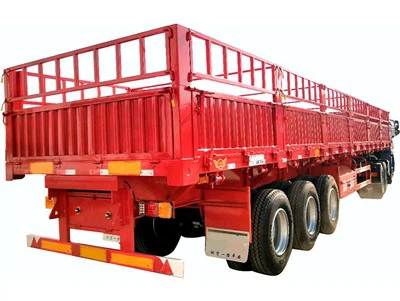
The Benefits Of Using A Construction Rollover Dump Truck
Versatility
Construction dump trucks are incredibly versatile machines that can be adapted to a wide range of tasks. They come in various sizes and configurations, from small single-axle trucks to large off-road articulated dump trucks. This versatility allows them to handle a diverse array of materials, including dirt, gravel, sand, rocks, and even asphalt.
Dump trucks can also be equipped with different types of beds or containers, such as standard dump beds, side dump beds, and bottom dump beds. This flexibility means that construction dump trucks can transport materials in various ways, making them suitable for different construction applications.
Efficient Material Transport
One of the primary benefits of using construction dump trucks is their efficiency in transporting materials. These trucks are designed to carry heavy loads, and their hydraulically operated dump beds make it easy to unload materials quickly and precisely. This efficiency reduces the time and labor required to move materials around a construction site.
Increased Productivity
Time is money in the construction industry, and construction dump trucks help maximize productivity. Their large carrying capacity means fewer trips to transport materials, reducing downtime and increasing overall efficiency. This translates into faster project completion and cost savings.
Safety
Safety is a top priority on construction sites, and construction dump trucks contribute to a safer working environment in several ways. The use of dump trucks minimizes the need for manual handling of heavy materials, reducing the risk of injuries to construction workers. Additionally, dump trucks are equipped with safety features such as backup cameras and audible alarms to prevent accidents.
Dump trucks also have a lower center of gravity compared to traditional trucks, making them more stable when carrying heavy loads. This stability is crucial when navigating uneven or sloped terrain, as it reduces the risk of rollovers and accidents.
Cost Savings
While purchasing and maintaining construction dump trucks represents an initial investment, their long-term cost savings are significant. The efficiency and productivity they bring to construction projects translate into reduced labor costs, shorter project durations, and increased profitability.
Dump trucks are also known for their durability and longevity. Proper maintenance can extend the lifespan of these vehicles, ensuring that they provide value for many years. Moreover, the versatility of dump trucks means they can be used on various projects, further enhancing their cost-effectiveness.
Environmental Benefits
In today's environmentally conscious world, construction companies are increasingly focused on reducing their carbon footprint. Construction dump trucks can contribute to these efforts in several ways. First, their efficiency and productivity mean fewer vehicles are needed on a construction site, which reduces overall emissions.
Regulatory Compliance
Construction is a heavily regulated industry, and compliance with safety and environmental regulations is essential. Many jurisdictions have strict rules governing the transportation and disposal of construction materials. Construction dump trucks are designed with these regulations in mind, making it easier for construction companies to adhere to local and federal laws.
Dump trucks often come equipped with features like load sensors and GPS tracking systems, allowing for accurate record-keeping and compliance reporting. This helps construction companies avoid fines and legal issues related to improper material handling and transportation.
Reduced Manual Labor
As previously mentioned, construction dump trucks reduce the need for manual labor in material handling. This not only improves safety but also frees up construction workers to focus on more skilled tasks. Skilled labor is often in high demand in the construction industry, and using dump trucks to handle material transport can help allocate labor resources more efficiently.
Enhances Project Planning
The use of construction dump trucks can enhance project planning and logistics. Construction managers can schedule deliveries of materials more accurately, ensuring that materials are available when needed and preventing delays. This level of control and predictability is invaluable in complex construction projects where multiple tasks must be coordinated.
Maintains Material Quality
Construction dump trucks are designed to protect the quality of the materials they transport. Whether it's preventing contamination of aggregates or ensuring the proper handling of delicate materials, dump trucks are equipped to maintain the integrity of the construction materials. This is crucial for ensuring the quality of the final construction product.
The Main Components Of a Rollover Dump Truck
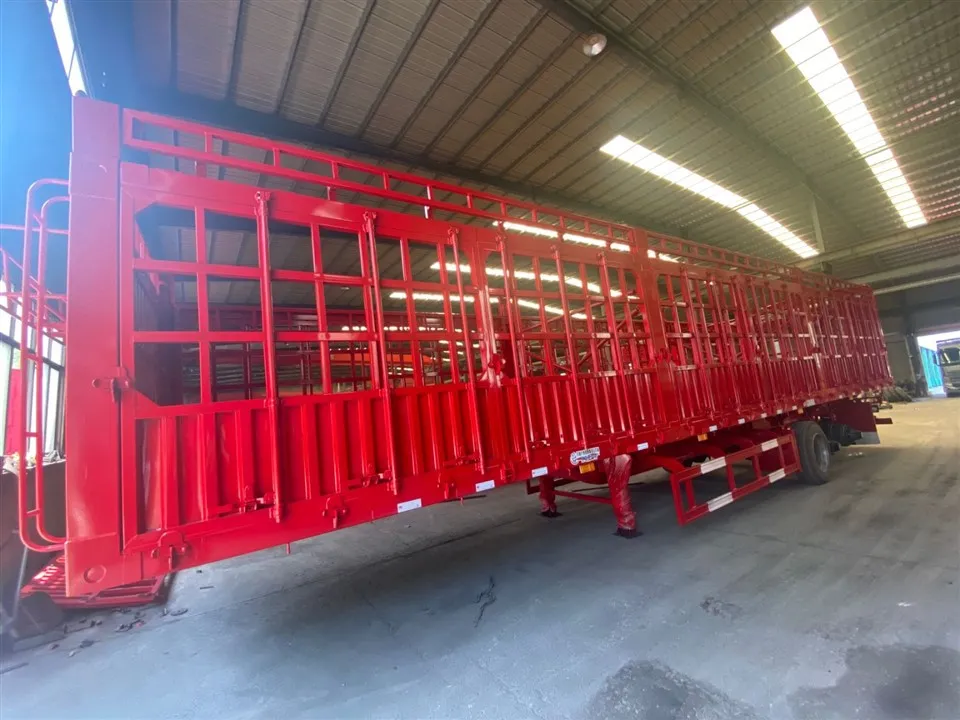


Chassis: The chassis is the framework of the truck that supports the engine, cab, and dump body. It is typically made of steel and designed to withstand the heavy loads and rough terrain associated with dump truck operations.
Engine: The engine is the power source of the dump truck, and provides the energy required to move the truck and operate the hydraulic system that raises and lowers the dump body. Dump trucks are typically powered by diesel engines, which are known for their high torque and durability.
Cab: This is where the driver sits to operate the vehicle and contains all the controls for driving and operating the dump body.
Dump Body: The dump body is the container that holds the material being transported. It is typically made of steel or aluminum and is designed to be raised and lowered by hydraulic cylinders. Dump bodies come in a variety of sizes and shapes, depending on the type of material being transported.
Hydraulic System: This system is responsible for raising and lowering the dump body. It consists of a hydraulic pump, hydraulic fluid, hydraulic cylinders, and control valves. When the driver activates the hydraulic system, the pump sends fluid to the cylinders, which extend and lift the dump body.
Suspension System: The suspension system is responsible for supporting the weight of the truck and its load, as well as providing a comfortable ride for the driver. It typically consists of springs, shock absorbers, and other components that absorb shocks and vibrations.
Tires: A dump truck requires heavy-duty tires that can handle its weight plus its load, as well as the rough terrain associated with dump truck operations. Tires provide the traction and stability.
Tailgate: This rear panel of the dump body can be opened to release the load.
Types of Rollover Dump Truck
The standard dump truck is a flexible vehicle with numerous modern industrial uses. Standard dump trucks utilize a standard truck suspension however consolidate a dump enclose mounted spot of a freight conveying cove.
A super dump truck is a typical semi-truck trailer dump truck with an additional trailing axle toward the finish of the trailer. The extra pivot can be lifted off the road when the truck is empty, bringing down the taxes incurred for vehicles with a specific number of axles on the road. At the point when the truck is completely stacked, the trailing axle is positioned into place by a hydraulic system to stretch out further to the back of the trailer and connect with the street.
Locations that experience Heavy or weighty snowfalls in wilt consistently utilize dump trucks as snow-clearing vehicles. These are standard, substantial dump trucks that have been changed to work within this limit.
A Transfer dump truck is a standard dump truck with a changed or modified dump box. The transfer dump truck can move a heap or load box from an uncommonly designed trailer into its own dump box. The load or heap box from the trailer moves forward on its own chassis on rails and into the truck’s dump box. The trailer load bay is secured in the truck’s dump box and shipped to the dumpsite by the truck. The trailer can be left in its ongoing location while the truck moves the load to the new area or location.
Haul dump trucks are extremely huge, fit for hauling between 40 tons and 400 tons of material per load. The limit or breaking point of the load will depend upon the size of the truck. Most haul dump trucks are twin axles; however, the larger versions can have up to 3 axles.
Semi-truck trailer blends can likewise be configured to be utilized as dump trucks. These vehicles have standard semi-trucks as the hauling power, yet the trailer is the modified part of the combination with the dumping capability.
A semi-truck trailer bottom dump truck has a similar setup to the semi-truck trailer end dump truck, yet the trailer has a substitute shape and offloading procedure. Bottom or Base dump trucks are likewise called belly dump trucks since the freight is dumped from the base or girth of the dump box.
Dump trucks hold interest for many vehicle fans because of their occasionally impressive size and flexibility in hauling large freight volumes. The innovation and engineering applied to these vehicles to facilitate the offloading process can be ingenious to create vehicles for task-specific dumping.
Dump trucks are generally powered by diesel engines. After starting, they should be idling for a while and wait until the water temperature rises to 45°C before starting. Before starting, check whether the body lift switch or operating lever is in the off position. At the same time, observe whether the road is unblocked and send a driving signal to start in first gear. After checking from the rear side mirror or the rear window of the cab to confirm that there is no abnormality in the vehicle body, the second and third gears can be shifted into normal driving.
During driving, the appropriate gear should be selected in time according to the road surface changes to avoid long-term overloading of the engine, and the degree of body sway and the change of engine sound should be used to determine whether the body and materials are abnormal. The loading of dump trucks should be controlled within the rated amount. Because they often drive on the construction site, sometimes the road conditions are very poor. If overloaded, the steel plates, beams, axles and other components will be damaged prematurely. At the same time, accidents may occur due to increased vehicle inertia and decreased braking performance.
Dump trucks are often used for short-distance construction and transportation day and night, so there are many reversing times. For this reason, it is best to have a special person to direct the reversing, and the driver should also choose the reversing position to avoid collision or endanger the safety of others. It is strictly forbidden to carry people in the vehicle body or mix passenger and freight, and no one is allowed to get on or off the vehicle or perform lubrication adjustments during driving. If the vehicle body is damaged, no loose materials shall be transported to prevent it from being thrown on the way. Only after the dump truck is stopped and braked, is it allowed to load. When loading materials, the raised bucket or bucket is not allowed to pass over the dump truck cab to ensure the safety of personnel. The action should be soft and stable when dumping, and try to be as close as possible to the car body. Don't load the car savagely, so as not to damage the car body. When loading large stones of 1 ton or more, use a crane to hoist them and place them evenly, and fix them if necessary, so as to prevent the stones from being partially loaded or rolled and causing the car to roll over.
When loading thin materials such as cement mortar, the loading capacity should be determined according to the level of road smoothness, generally not exceeding the rated 4/5<, to prevent overturning accidents when passing through uneven areas. When unloading, the driver should watch from the rear window. If one wheel sinks and the body tilts when the body is raised, the body should be dropped immediately, shifted and unloaded.
When unloading on a ramp, the dump truck should be parked downhill and downhill, and only under the command of someone, can the front of the dump truck be raised and dumped. It is forbidden to unload on a cross slope to prevent the truck from overturning. When pouring materials to the side of the pit, a safety stop should be set. The dump truck decelerates from the stop, and slowly moves to a stop at the stop, then raises the bucket to dump the material. If the viscous materials are easy to adhere to the bucket and are difficult to pour, they should be removed by manual assistance. The inertia of sudden brakes is not allowed to pour the materials to avoid accidents. After get off work every day, water should be used to clean the bucket wall in time. Adhesives are washed away clean.
Our Factory
The company is approved by the NationaI Development and Reform Commission of the automobile, trailer production enterprises, its enterpr ises have been listed in the National Development and Reform Comm is- sion "Announcement", and won the China Quality certification Center "CCC" certification enterpr ises,mainly engaged in the production of modified vehicles, semi-trailers, special vehicles, parts manufacturing,sales and technology development, The company'S own research AND DEVELOPMENT OF THE "LIGHT KING" high STRENGTH SERIES of special vehicles with its light weight,high strength characteristics sell well all over the country. and get customerspraise.
