

Can a flatbed semi - trailer be towed by different types of trucks?
As a supplier of flatbed semi - trailers, I often encounter questions from customers about the compatibility between flatbed semi - trailers and different types of trucks. This blog aims to explore whether a flatbed semi - trailer can be towed by various truck models and what factors need to be considered.
Compatibility Basics
The short answer is yes, a flatbed semi - trailer can generally be towed by different types of trucks, but it depends on several key factors. The primary factors include the truck's towing capacity, the coupling mechanism, and the trailer's weight and dimensions.
Towing Capacity
Truck manufacturers specify the maximum towing capacity of their vehicles. This capacity is determined by the engine power, transmission, brakes, and the overall structural integrity of the truck. For example, heavy - duty trucks like the Freightliner Cascadia or the Kenworth T680 are designed with powerful engines and robust chassis to handle large and heavy loads. They typically have high towing capacities, which makes them suitable for towing large flatbed semi - trailers.
On the other hand, medium - duty trucks such as the Ford F - 650 or the Chevrolet Kodiak C4500 have lower towing capacities. These trucks may be able to tow smaller or lighter flatbed semi - trailers, but it's crucial to ensure that the trailer's weight does not exceed the truck's specified towing limit. Exceeding the towing capacity can lead to serious safety issues, including brake failure, poor handling, and excessive wear on the truck's components.

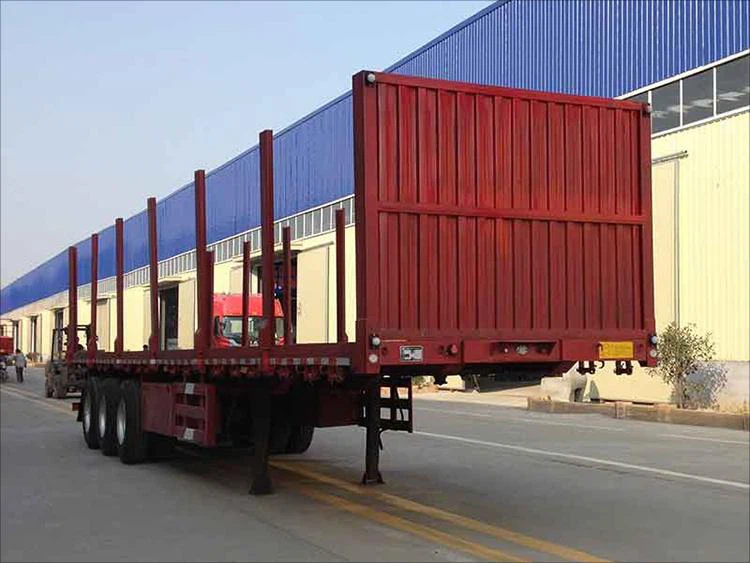
Coupling Mechanism
The coupling mechanism between the truck and the semi - trailer is another critical factor. The most common type of coupling for semi - trailers is the fifth - wheel coupling. This coupling consists of a kingpin on the trailer and a fifth - wheel plate on the truck. Different trucks are equipped with fifth - wheel plates of various sizes and specifications.
When choosing a truck to tow a flatbed semi - trailer, it's essential to ensure that the kingpin size on the trailer matches the fifth - wheel plate on the truck. If the sizes do not match, the coupling may not be secure, which can result in the trailer detaching from the truck while in motion. Some trucks may also be equipped with other types of coupling mechanisms, such as gooseneck hitches. Gooseneck - style flatbed semi - trailers, like the Gooseneck Plate Semi - trailer, are designed to be towed using a gooseneck hitch. These trailers are often used for hauling heavy equipment and require a truck with a compatible gooseneck hitch.
Trailer Weight and Dimensions
The weight and dimensions of the flatbed semi - trailer play a significant role in determining which trucks can tow it. Larger and heavier trailers require more powerful trucks with higher towing capacities. For instance, a large Hauling Semi - trailer used for transporting construction materials or large machinery may weigh several tons. This type of trailer would need a heavy - duty truck to tow it safely.
In addition to weight, the length and width of the trailer can also affect the towing process. Longer trailers may require more maneuvering space, and trucks need to have the appropriate turning radius to handle them. Similarly, wider trailers may require special permits in some areas due to road regulations.
Different Types of Trucks and Their Suitability
Heavy - Duty Trucks
Heavy - duty trucks are the workhorses of the transportation industry. They are designed to handle the most demanding towing tasks. Trucks like the Peterbilt 389 or the Volvo VNL series are known for their high - power engines, durable transmissions, and strong chassis. These trucks can easily tow large and heavy flatbed semi - trailers, including Straight Beam Flat Semi - trailer used for long - haul transportation of various goods.
Heavy - duty trucks are often equipped with advanced braking systems and suspension setups to ensure safe and stable towing. They also have the necessary electrical connections to power the trailer's lights and other accessories.
Medium - Duty Trucks
Medium - duty trucks are a popular choice for smaller - scale hauling operations. They offer a balance between towing capacity and fuel efficiency. Trucks such as the International MV series or the Isuzu FTR are commonly used for local deliveries and shorter hauls. These trucks can tow smaller flatbed semi - trailers, which are often used for transporting light - to - medium - weight cargo, such as landscaping equipment or small building supplies.
However, when using medium - duty trucks to tow semi - trailers, it's important to pay close attention to the weight distribution on the trailer. Improper weight distribution can cause handling problems and increase the risk of accidents.
Light - Duty Trucks
Light - duty trucks, like the Ford F - 150 or the Ram 1500, generally have limited towing capacities. While they may be able to tow small utility trailers, they are not typically suitable for towing flatbed semi - trailers. These trucks are designed more for personal use and light - duty hauling around the home or for small businesses. Towing a flatbed semi - trailer with a light - duty truck is not only unsafe but also likely to cause damage to the truck's engine, transmission, and other components.
Considerations for Safe Towing
Regardless of the type of truck used to tow a flatbed semi - trailer, there are several safety considerations that must be taken into account.
Pre - Trip Inspection
Before hitting the road, it's essential to conduct a thorough pre - trip inspection of both the truck and the trailer. Check the coupling mechanism to ensure it is properly engaged and secure. Inspect the brakes, tires, lights, and electrical connections on both the truck and the trailer. Make sure the trailer is loaded evenly and that the cargo is properly secured.
Driving Skills
Drivers need to have the appropriate skills and experience to tow a flatbed semi - trailer safely. Towing a semi - trailer requires different driving techniques compared to driving a regular vehicle. Drivers need to be aware of the increased stopping distance, the wider turning radius, and the potential for wind resistance and sway. They should also be familiar with the local traffic laws and regulations regarding towing.
Maintenance
Regular maintenance of both the truck and the trailer is crucial for safe towing. The truck's engine, transmission, brakes, and suspension should be serviced according to the manufacturer's recommendations. The trailer's tires, brakes, and coupling mechanism should also be inspected and maintained regularly to prevent breakdowns and accidents.
Conclusion
In conclusion, a flatbed semi - trailer can be towed by different types of trucks, but it's essential to consider the truck's towing capacity, the coupling mechanism, and the trailer's weight and dimensions. Heavy - duty trucks are the most suitable for towing large and heavy flatbed semi - trailers, while medium - duty trucks can handle smaller trailers for shorter hauls. Light - duty trucks are generally not appropriate for towing flatbed semi - trailers.
If you're in the market for a flatbed semi - trailer and need advice on which trucks are suitable for your specific needs, or if you have any other questions about our products, feel free to contact us. We're here to help you make the right choice and ensure a safe and efficient transportation solution.
References
- Truck manufacturers' specifications and manuals
- Federal and state transportation regulations regarding towing
- Industry publications on commercial vehicle safety and towing




