Can a small wheat harvester work in rainy days? That's a question I get asked a lot as a supplier of small wheat harvesters. Let's dig into this topic and see what's what.
First off, let's talk about the challenges of using a small wheat harvester in rainy conditions. Rain can really throw a wrench in the works. For starters, wet wheat is a whole different ballgame. The moisture makes the wheat stalks limp and the grains stickier. This can cause all sorts of problems for the harvester. The cutting mechanism might have a hard time slicing through the wet stalks cleanly. Instead of a nice, sharp cut, you might end up with a messy, uneven chop. And that can lead to a lot of wasted wheat.
The threshing process is also affected. When the wheat is wet, the grains don't separate as easily from the straw. The threshing drum has to work harder to get the job done. This can put extra strain on the machine and increase the risk of breakdowns. Plus, the wet grains are more likely to clog the sieves and other parts of the harvester, which means more time spent cleaning and less time harvesting.
Another issue is the ground conditions. Rain turns the fields into a muddy mess. The small wheat harvester might get stuck in the mud, especially if it doesn't have good traction. This can be a real headache, not to mention a waste of time and fuel. You might have to spend hours trying to get the machine out of the mud, and that's time you could be using to harvest the wheat.
But it's not all doom and gloom. There are some situations where a small wheat harvester can work in rainy days. If the rain is light and the ground isn't too muddy, the harvester might be able to handle it. Some modern small wheat harvesters are designed to be more resilient in wet conditions. They have better cutting and threshing mechanisms that can deal with wet wheat more effectively. And some models come with features like improved traction and mud guards to help them navigate through muddy fields.
If you're considering using a small wheat harvester in rainy days, here are a few tips. First, make sure the machine is in good condition. Check the cutting blades, threshing drum, and other parts to make sure they're sharp and working properly. You might also want to invest in some additional equipment, like mud tires or a rain cover, to help the machine perform better in wet conditions.
Second, pay attention to the weather forecast. If heavy rain is expected, it's probably best to wait until the weather clears up. But if the rain is light and intermittent, you might be able to get some harvesting done. Just be prepared to take breaks and clean the machine more often to prevent clogs.
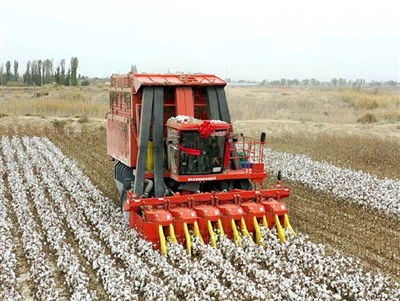
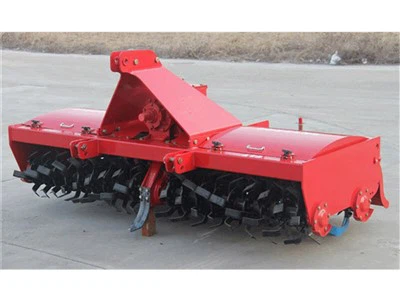
Now, let's talk about some of the other agricultural equipment we offer. We also have a Large Cotton Harvester that's perfect for large-scale cotton farms. It's a powerful machine that can handle a lot of cotton in a short amount of time. And if you're looking for a tiller, we have a Durable Rotary Tiller that's built to last. It's great for preparing the soil for planting. And for corn farmers, we have a Self-propelled Corn Rapid Picking Machine (22 HP, 12 Mu/Day, Single-Row with Partial Husking) that can make the harvesting process a lot easier and more efficient.
In conclusion, while it's possible for a small wheat harvester to work in rainy days, it comes with its challenges. But with the right machine and some careful planning, you can still get the job done. If you're interested in learning more about our small wheat harvesters or any of our other agricultural equipment, don't hesitate to reach out. We're here to help you find the right equipment for your needs and answer any questions you might have.
References:


- Agricultural Machinery Handbook
- Journal of Agricultural Engineering Research