In the realm of modern agriculture, the precision of seeding is a cornerstone for successful crop production. As a high-quality seeder supplier, I am acutely aware of the importance of accuracy in seeding and its direct impact on crop yields and overall agricultural efficiency. This blog delves into the accuracy of high-quality seeders and explores the factors that contribute to their performance.
Understanding the Concept of Seeding Accuracy
Seeding accuracy refers to the ability of a seeder to place seeds at the correct depth, spacing, and rate within the soil. Achieving high levels of accuracy is crucial because it ensures uniform germination, optimal plant growth, and ultimately, higher crop yields. When seeds are planted at the right depth, they have access to the necessary moisture, oxygen, and nutrients for germination. Proper spacing between seeds allows each plant to have enough room to grow and develop without competing for resources. And accurate seeding rates ensure that the field is neither over - nor under - seeded.
Factors Affecting Seeding Accuracy
1. Seed Metering System
The seed metering system is the heart of a seeder. High - quality seeders are equipped with advanced metering systems that can precisely control the number of seeds dispensed per unit area. These systems use various mechanisms such as gravity, vacuum, or mechanical agitation to ensure a consistent flow of seeds. For example, vacuum - based metering systems are known for their high accuracy as they can pick up and release individual seeds with great precision.
2. Ground Conditions
The condition of the soil plays a significant role in seeding accuracy. Uneven terrain, soil compaction, and the presence of debris can all affect the seeder's ability to place seeds at the correct depth and spacing. High - quality seeders are often designed with features such as adjustable depth control and ground - following mechanisms to adapt to different soil conditions. For instance, some seeders have sensors that can detect changes in the ground surface and adjust the seeding depth accordingly.
3. Calibration
Proper calibration of the seeder is essential for accurate seeding. Calibration involves adjusting the seeder to ensure that it is dispensing the correct number of seeds per unit area. This process typically involves running the seeder over a known area and counting the number of seeds deposited. If the seeding rate is too high or too low, adjustments can be made to the metering system. High - quality seeders often come with detailed calibration instructions to help farmers achieve accurate seeding.
4. Seed Characteristics
The size, shape, and weight of the seeds also influence seeding accuracy. Different seeds require different metering settings and seeding depths. For example, larger seeds may require a wider spacing and a deeper planting depth compared to smaller seeds. High - quality seeders can be adjusted to accommodate a variety of seed types, ensuring accurate seeding for different crops.
Measuring Seeding Accuracy
There are several methods to measure the accuracy of seeding. One common approach is to conduct a field test by randomly selecting areas within the seeded field and counting the number of seeds per unit area. The actual seeding rate can then be compared to the desired seeding rate to determine the accuracy. Another method is to use advanced technologies such as GPS and sensors to monitor the seeding process in real - time. These technologies can provide detailed information about the seeding depth, spacing, and rate, allowing farmers to make adjustments on the fly.
The Impact of Seeding Accuracy on Crop Yields
Accurate seeding has a direct impact on crop yields. When seeds are planted at the correct depth and spacing, they are more likely to germinate uniformly and grow into healthy plants. This leads to a more even canopy, better light interception, and improved nutrient uptake. As a result, crops are more productive and less susceptible to diseases and pests. In addition, accurate seeding can reduce the need for thinning and weeding, saving time and labor costs.


Our High - Quality Seeders
As a high - quality seeder supplier, we are committed to providing farmers with seeders that offer exceptional accuracy. Our seeders are designed with the latest technologies and features to ensure precise seeding in a variety of conditions. We understand that different crops have different seeding requirements, and our seeders can be easily adjusted to meet these needs.
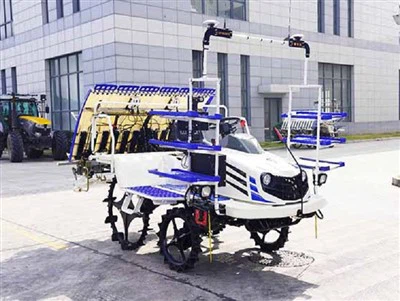
In addition to our high - quality seeders, we also offer a range of other agricultural equipment. For example, we have the Agricultural Rice Transplanter (Model: AG - RT800), which is designed to efficiently transplant rice seedlings with high precision. Our Self - propelled Corn Rapid Picking Machine (22 HP, 12 Mu/Day, Single - Row with Partial Husking) is a powerful and reliable machine for harvesting corn. And our Large Cotton Harvester is capable of efficiently harvesting cotton on a large scale.
Conclusion
In conclusion, high - quality seeders can achieve a high level of accuracy in seeding when properly calibrated and used in appropriate conditions. The accuracy of seeding is crucial for maximizing crop yields and ensuring the success of agricultural operations. As a high - quality seeder supplier, we are dedicated to providing farmers with the best equipment and support to achieve accurate seeding.
If you are interested in our high - quality seeders or other agricultural equipment, we invite you to contact us for a detailed discussion on your specific needs. We look forward to working with you to improve your agricultural productivity.
References
- Black, C. A. (1968). Soil - Plant Relationships. Wiley.
- Carter, M. R., & Gregorich, E. G. (2008). Soil Sampling and Methods of Analysis. CRC Press.
- Lal, R. (2009). Principles of Soil Physics. CRC Press.