

Loading and unloading agricultural products on a flatbed semi-trailer is a critical process that requires careful planning and execution. As a supplier of flatbed semi-trailers, I understand the importance of ensuring that these operations are carried out safely and efficiently. In this blog post, I will share some insights on how to load and unload agricultural products on a flatbed semi-trailer.

Preparing for Loading
Before loading any agricultural products onto a flatbed semi-trailer, it is essential to conduct a thorough inspection of the trailer. Check for any signs of damage, such as cracks, dents, or loose parts. Ensure that the trailer's brakes, lights, and tires are in good working condition. This pre - loading inspection helps prevent accidents during transportation.
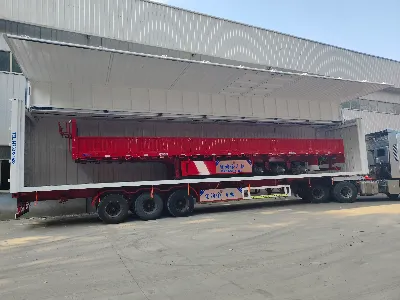
Next, select the appropriate flatbed semi - trailer for the type and quantity of agricultural products you are hauling. We offer a variety of flatbed semi - trailers, including Hauling Semi - trailer, Spread Wing Semi - trailer, and Gooseneck Plate Semi - trailer. Each type has its own advantages and is suitable for different types of agricultural cargo.
Loading Agricultural Products
- Sorting and Grouping
Sort the agricultural products based on their size, weight, and fragility. Group similar products together to ensure even weight distribution on the trailer. For example, heavy items like large bales of hay should be placed at the bottom and towards the center of the trailer to maintain stability. Fragile products such as fresh fruits and vegetables should be packed in sturdy containers and placed on top, away from heavy items that could crush them. - Securing the Load
Once the products are placed on the trailer, it is crucial to secure them properly. Use high - quality straps, chains, or ropes to tie down the load. Make sure the straps are tightened enough to prevent the cargo from shifting during transit but not so tight that they damage the products. For irregularly shaped items, use padding or dunnage to fill the gaps and prevent movement. - Weight Distribution
Proper weight distribution is key to safe transportation. The weight of the load should be evenly distributed across the trailer axles. Overloading one side or one end of the trailer can cause handling problems and increase the risk of accidents. Refer to the trailer's weight capacity specifications and use a weighing scale if necessary to ensure compliance.
Unloading Agricultural Products
- Safety First
Before starting the unloading process, ensure that the trailer is parked on a level surface and the parking brake is engaged. Wear appropriate safety gear, such as gloves and safety shoes, to protect yourself from any potential hazards. - Removing the Securing Devices
Carefully remove the straps, chains, or ropes that were used to secure the load. Start from the outer edges and work your way inwards. Be cautious not to let the securing devices fall on the products or cause any damage. - Unloading Order
Unload the products in a logical order. Start with the items on top and work your way down. For products that are stacked, use a forklift or other appropriate equipment to lift and move them safely. If the products are in containers, make sure to handle them gently to avoid spillage or damage. - Inspecting the Trailer
After unloading, inspect the trailer again for any damage that may have occurred during the loading and unloading process. Clean the trailer to remove any debris or residue from the agricultural products. This helps maintain the trailer's condition and prevents the spread of pests or diseases.
Tips for Efficient Loading and Unloading
- Use the Right Equipment
Invest in high - quality loading and unloading equipment, such as forklifts, pallet jacks, and conveyor belts. The right equipment can significantly speed up the process and reduce the risk of injuries. - Train Your Staff
Provide proper training to your staff on how to load and unload agricultural products safely and efficiently. Training should cover topics such as weight distribution, securing techniques, and equipment operation. - Plan Ahead
Create a detailed loading and unloading plan in advance. Consider factors such as the type of products, the available equipment, and the time constraints. A well - planned operation can save time and resources.
Conclusion
Loading and unloading agricultural products on a flatbed semi - trailer is a complex but manageable process. By following the steps outlined above, you can ensure the safety of your products, your equipment, and your personnel. As a flatbed semi - trailer supplier, we are committed to providing you with high - quality trailers that meet your specific needs. If you are interested in purchasing a flatbed semi - trailer or have any questions about our products, please feel free to contact us for further discussions. We look forward to working with you to optimize your agricultural transportation operations.
References
- "Transportation of Agricultural Products: Best Practices," Agricultural Transportation Association.
- "Safe Loading and Unloading of Trailers," Occupational Safety and Health Administration.




