

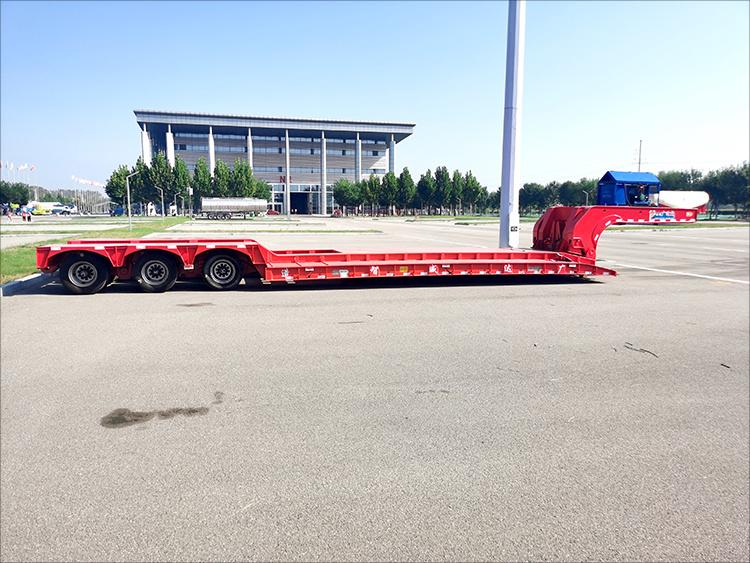
Hey there! As a supplier of Nicholas hydraulic modules, I've seen firsthand how crucial it is to optimize their design. These modules are used in a variety of heavy - duty transport vehicles like Hydraulic Semi - trailer, Three - line Transport Vehicle, and Engineering Transport Semi - trailer. In this blog, I'll share some tips on how to make the design of these modules even better.
Understanding the Basics of Nicholas Hydraulic Modules
First off, let's quickly go over what Nicholas hydraulic modules are. They're an essential part of many heavy - duty transport systems. These modules use hydraulic power to perform tasks such as lifting, lowering, and stabilizing loads. The hydraulic system consists of a pump, valves, cylinders, and fluid lines. The pump pressurizes the hydraulic fluid, which then moves through the valves and into the cylinders to create mechanical force.
Analyzing the Current Design
Before we start making changes, it's important to analyze the existing design of the Nicholas hydraulic module. Look at how it's currently performing in real - world applications. Check for any common issues like leaks, slow operation, or excessive wear and tear. You can also gather feedback from users. They're the ones who are using the module every day, so they can give you valuable insights into what's working and what's not.
Material Selection
One of the key aspects of design optimization is choosing the right materials. The materials used in the hydraulic module need to be strong, durable, and resistant to corrosion. For the cylinders, high - strength steel is often a good choice. It can withstand high pressures without deforming. The valves should be made from materials that can handle the flow of hydraulic fluid without excessive friction. Some modern valves are made from advanced polymers that offer good chemical resistance and low wear.
Fluid Dynamics Optimization
The way the hydraulic fluid moves through the module is crucial. We need to ensure that the fluid flow is smooth and efficient. This means optimizing the size and shape of the fluid lines. Narrow lines can cause high - pressure drops, which can reduce the efficiency of the system. On the other hand, overly wide lines can lead to slower response times. By using computational fluid dynamics (CFD) simulations, we can model the fluid flow and make adjustments to the line diameters and bends to improve the overall performance.
Valve Design
The valves in the Nicholas hydraulic module play a vital role in controlling the flow of hydraulic fluid. We can optimize their design by improving their responsiveness and accuracy. For example, using proportional valves can allow for more precise control of the fluid flow. These valves can adjust the flow rate based on the input signal, which is great for applications where fine - tuning is required. Also, make sure the valves are easy to maintain. Simple valve designs with fewer moving parts are often more reliable and easier to service.
Heat Management
Hydraulic systems generate heat during operation. Excessive heat can damage the components and reduce the efficiency of the system. To manage heat, we can add cooling systems to the module. One option is to use a radiator - like device to cool the hydraulic fluid. Another approach is to use heat - resistant materials in areas where the temperature is likely to be high. This way, we can ensure that the module operates within a safe temperature range.
Integration with the Vehicle
The Nicholas hydraulic module needs to be well - integrated with the vehicle it's installed in. This means considering the overall layout of the vehicle and how the module will fit into it. Make sure there's enough space for maintenance access. Also, the module should be designed to work in harmony with the vehicle's other systems, such as the electrical and mechanical systems. For example, the hydraulic control signals should be compatible with the vehicle's control unit.

Testing and Validation
Once we've made the design changes, it's time to test the optimized module. We can perform both bench tests and field tests. Bench tests allow us to test the module under controlled conditions, checking for things like pressure ratings and flow rates. Field tests, on the other hand, involve installing the module in a real - world vehicle and seeing how it performs in actual use. This will help us identify any issues that might not have shown up in the bench tests.
Cost - Benefit Analysis
Of course, we also need to consider the cost of the design optimization. We want to make sure that the improvements we're making are worth the investment. Calculate the cost of the new materials, any additional components, and the time spent on design changes. Then, compare this with the expected benefits, such as increased efficiency, reduced maintenance costs, and longer component lifespan. If the benefits outweigh the costs, then the design optimization is a good idea.
Continuous Improvement
Design optimization is not a one - time thing. We should always be looking for ways to improve the Nicholas hydraulic module. Keep an eye on new technologies and materials that could be used in the design. Stay updated with industry trends and customer demands. By continuously improving the design, we can ensure that our modules remain competitive in the market.
Conclusion
Optimizing the design of the Nicholas hydraulic module is a multi - faceted process. It involves analyzing the current design, selecting the right materials, optimizing fluid dynamics, improving valve design, managing heat, integrating with the vehicle, testing and validating, and performing a cost - benefit analysis. By following these steps, we can create a more efficient, reliable, and cost - effective hydraulic module.
If you're in the market for high - quality Nicholas hydraulic modules or are interested in discussing further design optimization opportunities, I'd love to hear from you. Reach out to start a conversation about your specific needs and how we can work together to get the best solution for your heavy - duty transport requirements.
References
- "Hydraulic Systems Handbook" - A comprehensive guide on hydraulic system design and operation.
- Industry reports on heavy - duty transport vehicle components and their performance.
- Technical papers on computational fluid dynamics in hydraulic systems.


