

Hey there! I'm a supplier of freight transport trailers, and I've seen my fair share of accidents in this industry. Today, I want to dive into the common causes of accidents involving these trailers. By understanding these factors, we can work towards making the roads safer for everyone.
Poor Maintenance
One of the biggest culprits behind trailer accidents is poor maintenance. Trailers are constantly on the move, carrying heavy loads over long distances. This puts a lot of stress on their components, and if they're not properly maintained, it can lead to serious problems.
For example, brakes are a critical safety feature on any trailer. If they're worn out or not functioning correctly, it can take longer to stop the vehicle, increasing the risk of a collision. Tires are another important part of the equation. Bald or underinflated tires can cause blowouts, which can be extremely dangerous, especially at high speeds.

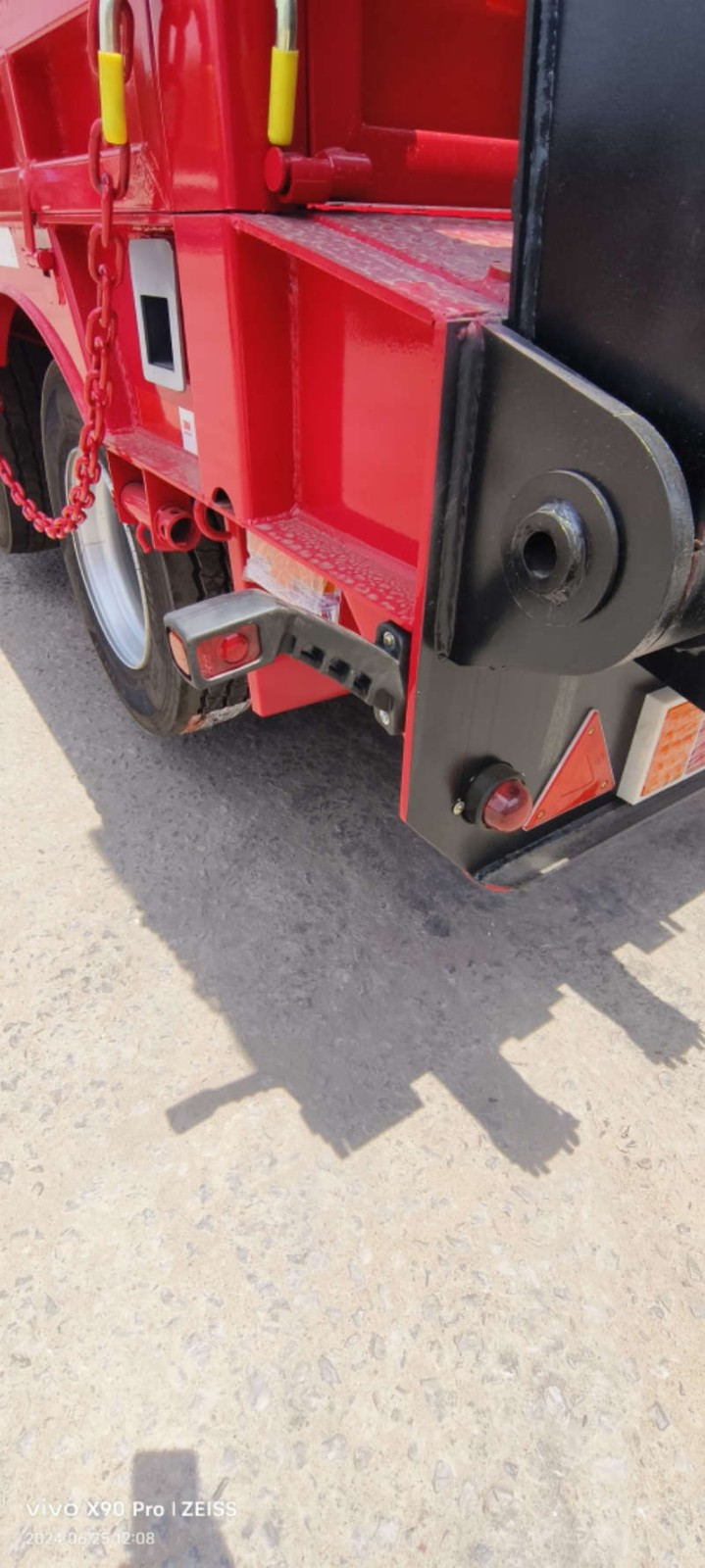
As a trailer supplier, I always emphasize the importance of regular maintenance to my customers. It's not just about keeping the trailer looking good; it's about ensuring the safety of the driver and everyone on the road. I recommend following the manufacturer's maintenance schedule and having the trailer inspected by a qualified mechanic on a regular basis.
Overloading
Another common cause of trailer accidents is overloading. It might be tempting to try and fit as much cargo as possible onto the trailer to save on costs, but this can have serious consequences. Overloading can put extra strain on the trailer's suspension, brakes, and tires, increasing the risk of mechanical failure.
It can also affect the trailer's stability, making it more difficult to control. When a trailer is overloaded, it's more likely to sway or jackknife, especially when turning or braking. This can be extremely dangerous, not only for the driver but also for other motorists on the road.
As a supplier, I always make sure my customers are aware of the weight limits of the trailers I sell. I provide them with detailed information about the maximum load capacity and the importance of staying within these limits. It's better to make multiple trips with a properly loaded trailer than to risk an accident by overloading it.
Improper Loading
Even if the trailer is not overloaded, improper loading can still cause problems. If the cargo is not distributed evenly, it can affect the trailer's balance and stability. For example, if all the weight is concentrated at the front of the trailer, it can cause the front tires to wear out faster and make the trailer more difficult to steer.
On the other hand, if the weight is concentrated at the back, it can cause the trailer to fishtail or sway, especially when driving at high speeds. To avoid these issues, it's important to load the cargo evenly and secure it properly. This might involve using straps, chains, or other securing devices to keep the cargo in place.
As a supplier, I often provide my customers with tips on how to load their trailers safely. I also offer training sessions on proper loading techniques to ensure they know how to do it correctly. By taking the time to load the trailer properly, they can reduce the risk of accidents and ensure a smooth and safe journey.
Driver Error
Driver error is another major factor in trailer accidents. This can include things like distracted driving, speeding, fatigue, and improper driving techniques. Distracted driving, such as using a cell phone or eating while driving, can take the driver's attention away from the road, increasing the risk of a collision.
Speeding is also a common problem. When driving a trailer, it's important to adjust your speed to the conditions of the road and the weight of the load. Going too fast can make it more difficult to stop the vehicle and increase the risk of losing control. Fatigue is another issue, especially for long-haul drivers. Driving while tired can impair your judgment and reaction time, making it more likely that you'll make a mistake.
As a supplier, I encourage my customers to hire experienced and responsible drivers. I also recommend providing them with training on safe driving techniques and the importance of avoiding distractions and fatigue. By investing in driver training, they can reduce the risk of accidents and protect their investment in the trailer.
Weather Conditions
Weather conditions can also play a role in trailer accidents. Rain, snow, ice, and fog can all affect the road surface and visibility, making it more difficult to drive safely. When the roads are wet or slippery, it takes longer to stop the vehicle, and the trailer is more likely to skid or slide.
Fog can reduce visibility, making it difficult to see other vehicles or hazards on the road. Strong winds can also affect the trailer's stability, especially if it's carrying a large or lightweight load. In these conditions, it's important to slow down and drive with extra caution.
As a supplier, I advise my customers to check the weather forecast before setting out on a trip and to adjust their plans accordingly. If the weather conditions are bad, it might be better to delay the trip or take a different route. By being prepared and taking the necessary precautions, they can reduce the risk of accidents caused by weather conditions.
Equipment Failure
Finally, equipment failure can also lead to trailer accidents. This can include things like mechanical problems with the trailer's engine, transmission, or electrical system. If these components fail while the trailer is on the road, it can cause the vehicle to break down or become difficult to control.
Faulty wiring or lighting can also be a problem, especially at night or in low-light conditions. If the trailer's lights are not working properly, it can make it difficult for other drivers to see the trailer, increasing the risk of a collision. As a supplier, I make sure the trailers I sell are equipped with high-quality components and that they undergo thorough testing before leaving the factory.
I also offer after-sales support to my customers, including maintenance and repair services. If they experience any problems with the trailer, they can contact me, and I'll do my best to help them resolve the issue as quickly as possible.
Conclusion
In conclusion, there are many common causes of accidents involving freight transport trailers, including poor maintenance, overloading, improper loading, driver error, weather conditions, and equipment failure. As a supplier, it's my responsibility to educate my customers about these risks and to provide them with the tools and resources they need to operate their trailers safely.
I offer a range of high-quality trailers, such as the Four-line Transport Vehicle, Wind Power Transport Semi-trailer, and Semi-trailer For Low-floor Transport, which are designed to meet the needs of different customers.
If you're in the market for a freight transport trailer, I encourage you to contact me to discuss your requirements. I can help you choose the right trailer for your needs and provide you with all the information you need to operate it safely. Let's work together to make the roads safer for everyone.
References
- Federal Motor Carrier Safety Administration (FMCSA). (2023). Large Truck and Bus Crash Facts.
- National Highway Traffic Safety Administration (NHTSA). (2023). Traffic Safety Facts.


