

Transporting sports equipment in a transport semi - trailer requires careful consideration of various factors to ensure the safety, integrity, and efficiency of the shipment. As a transport semi - trailer supplier, we understand the unique needs and challenges associated with this type of transportation. In this blog post, we will explore the key requirements for transporting sports equipment in a transport semi - trailer.
1. Trailer Selection
The first step in transporting sports equipment is choosing the right semi - trailer. Different types of sports equipment have different size, weight, and shape requirements, and the trailer should be able to accommodate these characteristics.
- Size and Capacity: Consider the volume and weight of the sports equipment. For large items such as boats used in water sports or large - scale gymnastic apparatuses, a high - capacity trailer is essential. Our trailers come in various sizes, from smaller models suitable for transporting a set of bicycles to large - scale trailers that can carry multiple sports vehicles.
- Trailer Type: Depending on the nature of the sports equipment, different trailer types may be more appropriate. For example, an open - top trailer can be used for transporting items like surfboards or canoes, which are not easily damaged by the elements and can be loaded and unloaded more conveniently. On the other hand, an enclosed trailer is ideal for protecting sports equipment such as golf clubs, tennis rackets, and electronic sports devices from dust, moisture, and theft. We also offer specialized trailers like Chemical Semi - trailer for transporting chemical - related sports equipment, although these are less common in general sports equipment transportation.
2. Loading and Securing
Proper loading and securing of sports equipment are crucial to prevent damage during transit.
- Loading Arrangement: The layout of the equipment inside the trailer matters. Heavy and large items should be placed at the bottom and towards the center of the trailer to maintain balance. For example, if you are transporting a set of ice hockey equipment along with a few bicycles, the heavier hockey goalies' pads and the bicycles can be placed on the bottom layer. The lighter items, such as hockey sticks and cycling helmets, can be placed on top.
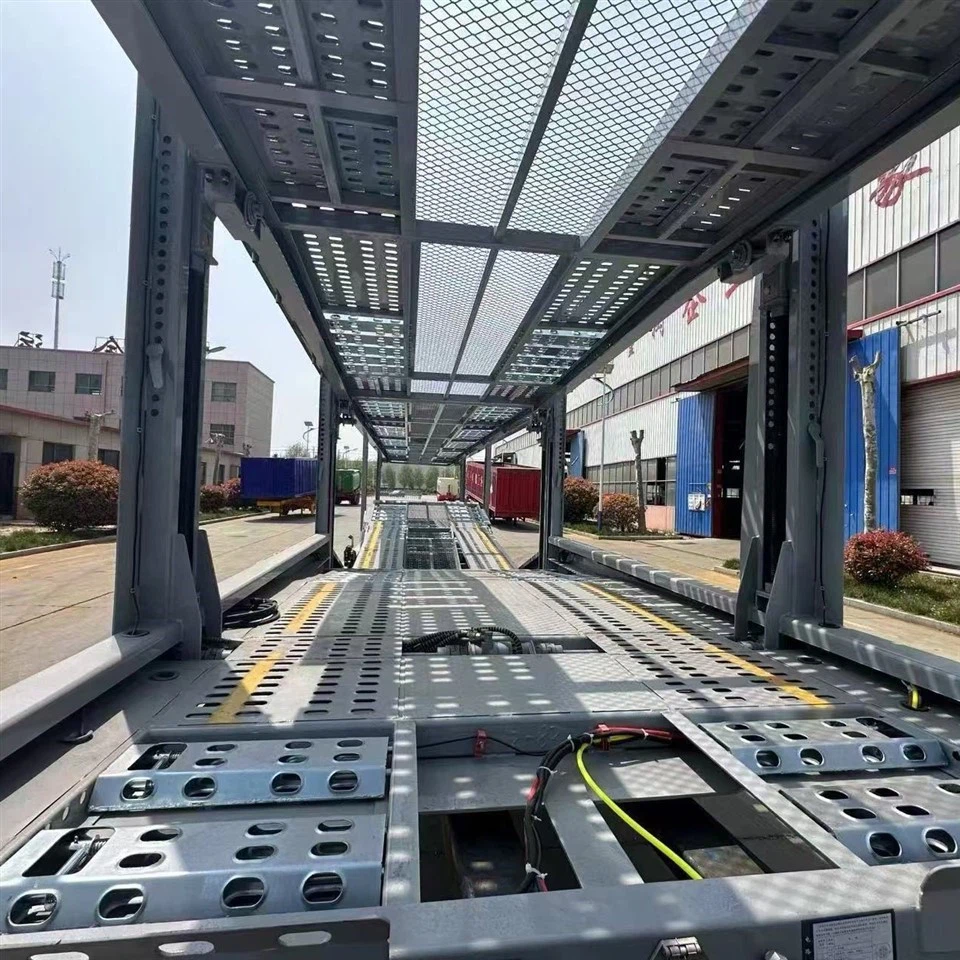
- Securing Methods: Use appropriate securing materials such as straps, ropes, and nets to prevent the equipment from shifting. Soft - sided equipment like gym bags can be grouped together and secured with elastic cords. For hard - edged items like ski poles, they can be tied down with ratchet straps to prevent them from moving and causing damage to other equipment. When transporting vehicles, such as Car Carrier for sports cars, specialized wheel chocks and tie - down systems are necessary to keep the vehicles in place.
3. Protection from Environmental Factors
Sports equipment is often sensitive to environmental conditions, and protecting it during transportation is essential.
- Moisture and Humidity: Moisture can cause rust on metal sports equipment like baseball bats with metal components or corrosion on the frames of bicycles. To prevent this, use moisture - absorbing materials inside the trailer, such as silica gel packets. If transporting in a humid climate or during rainy seasons, ensure the trailer is well - sealed. Our enclosed trailers are designed to provide a high level of protection against moisture.
- Temperature: Extreme temperatures can damage certain types of sports equipment. For example, high temperatures can warp the shape of plastic sports equipment, and low temperatures can make rubber components brittle. If transporting temperature - sensitive equipment like electronic fitness trackers or some types of synthetic sports balls, consider using a climate - controlled trailer. Our 3 - Axle 40m³ Food - Grade Stainless Steel Liquid Food Transport Semi - trailer with CIP Cleaning System is designed with advanced temperature - control technology, which can also be adapted for transporting temperature - sensitive sports equipment in some cases.
4. Compliance with Regulations
When transporting sports equipment in a semi - trailer, it is essential to comply with local and international transportation regulations.
- Weight Limits: Each region has specific weight limits for semi - trailers. Exceeding these limits can lead to fines and safety hazards. Before loading the sports equipment, calculate the total weight accurately and ensure it does not exceed the legal limit. Our trailers are designed with weight - distribution features to help you manage the load effectively.
- Safety Equipment: The trailer must be equipped with the necessary safety equipment, such as reflectors, brake lights, and safety chains. These are essential for ensuring the safety of the vehicle and other road users during transportation.
5. Documentation and Tracking
Proper documentation and tracking are important for a smooth transportation process.
- Documentation: Keep detailed records of the sports equipment being transported, including a list of items, their value, and any special handling instructions. This documentation can be useful for insurance purposes and in case of any disputes.
- Tracking: Use a tracking system to monitor the location of the trailer and the status of the shipment. This allows you to provide real - time updates to the customers and ensures the timely delivery of the sports equipment.
6. Maintenance and Inspection
Regular maintenance and inspection of the semi - trailer are necessary to ensure its safe and efficient operation.

- Pre - Trip Inspection: Before each trip, conduct a thorough inspection of the trailer, including checking the tires, brakes, lights, and hitch. Any issues should be addressed immediately to prevent breakdowns during transportation.
- Regular Maintenance: Follow the manufacturer's recommended maintenance schedule for the trailer. This may include oil changes, tire rotations, and inspections of the structural integrity of the trailer.
Conclusion
Transporting sports equipment in a transport semi - trailer requires a comprehensive approach that takes into account trailer selection, loading and securing, protection from environmental factors, compliance with regulations, documentation and tracking, and maintenance and inspection. As a transport semi - trailer supplier, we are committed to providing high - quality trailers that meet these requirements and ensuring a smooth and safe transportation experience for your sports equipment.
If you are in need of a transport semi - trailer for your sports equipment transportation needs, we invite you to contact us for more information. Our team of experts can help you select the right trailer and provide you with customized solutions based on your specific requirements.
References
- Transportation regulations handbook of the local transportation department.
- Manufacturer's manuals of the transport semi - trailers.
- Industry best practices for transporting sports equipment.




