

As a seasoned supplier of transport semi-trailers, I understand the critical role that proper suspension maintenance plays in the overall performance, safety, and longevity of these heavy-duty vehicles. In this blog, I'll share some essential suspension maintenance tips that every semi-trailer owner and operator should know.
1. Regular Inspections
One of the most fundamental aspects of suspension maintenance is regular inspections. You should conduct visual inspections of the suspension components at least once a week, or more frequently if the trailer is used in harsh conditions. Look for signs of wear, damage, or leakage. Check the shock absorbers for any signs of oil leakage, which could indicate a failing seal. Inspect the springs for cracks, sagging, or corrosion. The suspension bushings should also be examined for signs of wear or damage. If you notice any issues during the inspection, it's crucial to address them immediately to prevent further damage.
2. Lubrication
Proper lubrication is vital for the smooth operation of the suspension system. The moving parts in the suspension, such as the pivot points and bushings, need to be lubricated regularly to reduce friction and wear. Refer to the manufacturer's recommendations for the type of lubricant to use and the lubrication intervals. Using the wrong type of lubricant can lead to premature wear and damage to the components. Make sure to clean the parts before applying the lubricant to ensure maximum effectiveness.
3. Alignment
Correct alignment of the suspension is essential for even tire wear and proper handling of the semi-trailer. Misaligned suspension can cause the tires to wear unevenly, which not only shortens the tire lifespan but also affects the stability and safety of the vehicle. You should have the suspension alignment checked at least once a year or more often if you notice any signs of uneven tire wear, such as excessive wear on one side of the tire. A professional alignment service will use specialized equipment to adjust the suspension components to the manufacturer's specifications.
4. Tightening of Bolts and Nuts
Over time, the bolts and nuts in the suspension system can loosen due to the vibrations and shocks experienced during operation. Loose bolts and nuts can lead to component failure and pose a significant safety risk. Regularly check and tighten all the bolts and nuts in the suspension system to the recommended torque specifications. Use a torque wrench to ensure that you don't over-tighten or under-tighten the fasteners.
5. Weight Distribution
Proper weight distribution is crucial for the health of the suspension system. Overloading one side of the trailer or exceeding the maximum weight capacity can put excessive stress on the suspension components, leading to premature wear and potential failure. Make sure to distribute the load evenly across the trailer and adhere to the weight limits specified by the manufacturer. If you're transporting different types of cargo, such as in a Grain Transport Semi-trailer or a Flammable Liquid Tank Transporter, pay special attention to the weight distribution requirements for that specific type of cargo.
6. Shock Absorber Maintenance
Shock absorbers are an integral part of the suspension system, as they help to dampen the vibrations and shocks from the road surface. Over time, shock absorbers can wear out and lose their effectiveness. You can test the shock absorbers by pushing down on one corner of the trailer and then releasing it. If the trailer bounces more than two or three times, it may be a sign that the shock absorbers need to be replaced. It's recommended to replace shock absorbers in pairs to ensure balanced performance.
7. Corrosion Prevention
Semi-trailers are often exposed to harsh environmental conditions, which can lead to corrosion of the suspension components. Corrosion weakens the metal and can cause premature failure of the parts. To prevent corrosion, keep the suspension components clean and dry. Apply a protective coating or paint to the metal parts to provide a barrier against moisture and rust. If you notice any signs of corrosion, such as rust spots, remove the rust and apply a corrosion inhibitor.
8. Suspension Upgrades
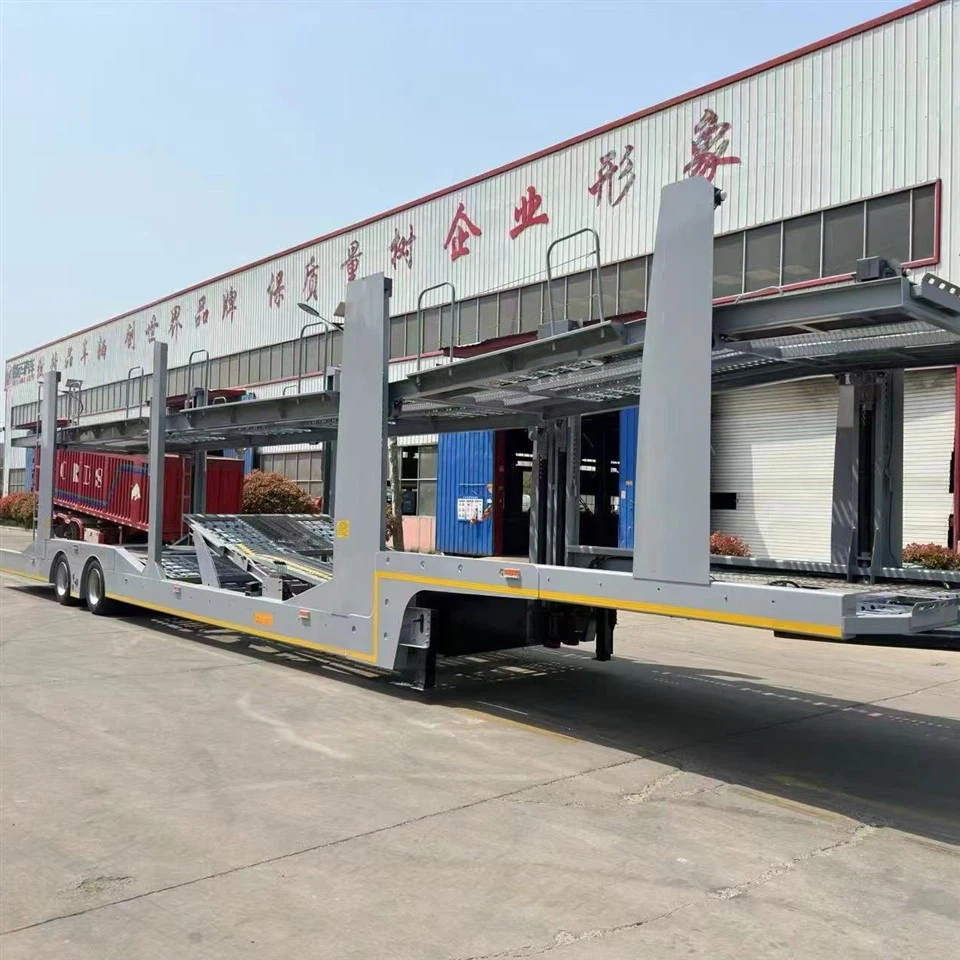
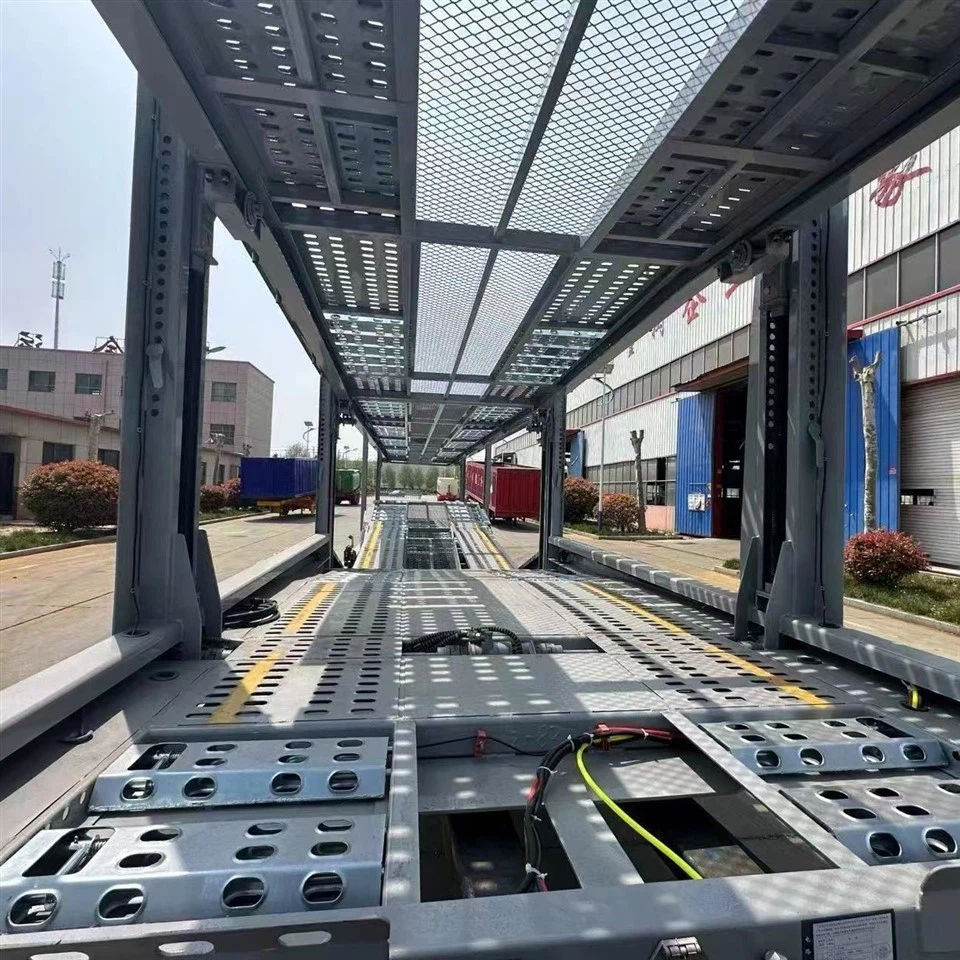
Depending on your specific needs and the type of cargo you transport, you may consider upgrading the suspension system. Upgrading to a more heavy-duty suspension can improve the load-carrying capacity and the overall performance of the trailer. For example, if you frequently transport heavy vehicles using a Car Carrier, a reinforced suspension system may be beneficial. Consult with a professional to determine the most suitable suspension upgrade for your trailer.
9. Record Keeping
Maintaining detailed records of all suspension maintenance activities is essential. Keep track of the inspection dates, lubrication intervals, component replacements, and any repairs that have been done. This information can help you identify patterns of wear and potential issues early on. It also provides valuable documentation for warranty claims and for demonstrating compliance with safety regulations.
10. Training for Operators
Proper training for the semi-trailer operators is crucial for the long-term health of the suspension system. Operators should be educated on the importance of suspension maintenance and the proper operating procedures to minimize stress on the suspension. For example, they should be trained to avoid sudden stops and starts, as well as rough roads whenever possible.
In conclusion, proper suspension maintenance is essential for the safe and efficient operation of transport semi-trailers. By following these tips, you can extend the lifespan of the suspension components, reduce the risk of breakdowns, and ensure the safety of your cargo and the vehicle.
If you're in the market for a high-quality transport semi-trailer or need further advice on suspension maintenance, don't hesitate to reach out. We're here to assist you with all your semi-trailer needs. Contact us today to start a discussion about your requirements and explore the best solutions for your business.
References
- "Heavy-Duty Truck Systems" by Frank Gillette
- Manufacturer's manuals for various transport semi-trailers


