

As a chemical semi - trailer supplier, one of the most frequently asked questions I receive is about the capacity of chemical semi - trailers. Understanding the capacity of these trailers is crucial for businesses involved in the chemical transportation industry. In this blog post, I'll delve into the factors that determine the capacity of a chemical semi - trailer, different capacity ranges available in the market, and how to choose the right capacity for your specific needs.
Factors Affecting the Capacity of Chemical Semi - Trailers
1. Design and Structure
The physical design of a chemical semi - trailer plays a significant role in determining its capacity. Trailers can be designed with different shapes and configurations. For example, some trailers have a cylindrical tank design, which is a common choice for chemical transportation due to its structural integrity and efficient use of space. The diameter and length of the tank directly impact the volume it can hold. A larger diameter and longer tank will generally result in a higher capacity.
2. Material and Wall Thickness
The material used in the construction of the trailer's tank and its wall thickness also affect the capacity. Different chemicals require different materials to ensure compatibility and safety. For instance, stainless steel is often used for transporting corrosive chemicals. However, the thickness of the stainless - steel wall can vary. A thicker wall may enhance the durability and safety of the trailer but can also reduce the internal volume, thereby decreasing the capacity.
3. Regulatory Requirements
Regulatory bodies impose strict rules on the transportation of chemicals. These regulations often limit the maximum capacity of a chemical semi - trailer based on factors such as the type of chemical being transported, road safety standards, and axle load limits. For example, transporting highly flammable or toxic chemicals may require a lower capacity trailer to minimize the risk in case of an accident. Axle load limits are also a crucial factor. If a trailer is overloaded, it can cause damage to the roads and pose a significant safety hazard. So, the capacity is often adjusted to comply with these regulations.
Different Capacity Ranges in the Market
1. Small - Capacity Chemical Semi - Trailers
Small - capacity chemical semi - trailers typically have a volume ranging from 5 to 15 cubic meters. These trailers are suitable for transporting small quantities of high - value or highly reactive chemicals. They are also more maneuverable, making them ideal for use in areas with limited space, such as urban environments or small industrial sites. For businesses that need to make frequent deliveries of small amounts of chemicals, a small - capacity trailer can be a cost - effective solution. You can learn more about different types of trailers, including Dangerous Goods Transport Semi - trailer, which may include small - capacity options on our website.
2. Medium - Capacity Chemical Semi - Trailers
Medium - capacity trailers usually have a volume between 15 and 30 cubic meters. This range is a popular choice for many chemical transportation companies. They offer a good balance between capacity and maneuverability. These trailers can handle a wider variety of chemical transportation tasks, from transporting bulk chemicals to industrial plants to making regional deliveries. They are also more cost - efficient than larger trailers when it comes to fuel consumption and maintenance.
3. Large - Capacity Chemical Semi - Trailers
Large - capacity chemical semi - trailers have a volume of over 30 cubic meters. These trailers are designed for long - distance transportation of large quantities of chemicals. They are commonly used by chemical manufacturers and distributors for transporting bulk chemicals such as petroleum products, fertilizers, and industrial solvents. However, operating large - capacity trailers requires careful planning and compliance with strict regulations. If you are interested in large - scale chemical transportation, our Chemical Semi - trailer section provides more information on high - capacity options.
Choosing the Right Capacity for Your Needs
1. Consider the Type of Chemicals
The type of chemicals you plan to transport is the most important factor in choosing the right capacity. As mentioned earlier, highly reactive or toxic chemicals may require a smaller capacity trailer for safety reasons. On the other hand, non - hazardous bulk chemicals can be transported in larger capacity trailers. For example, if you are transporting a large amount of water - based chemicals, a larger capacity trailer may be a viable option.
2. Analyze Your Delivery Routes
The delivery routes also play a crucial role in determining the appropriate capacity. If your routes involve narrow roads, sharp turns, or low - clearance bridges, a smaller or medium - capacity trailer may be more suitable due to its better maneuverability. Conversely, if you are transporting chemicals over long distances on highways, a large - capacity trailer can be more cost - effective in terms of fuel and labor costs.
3. Evaluate Your Business Growth
When choosing a chemical semi - trailer, it's important to consider your business growth prospects. If you expect your chemical transportation volume to increase in the future, investing in a larger - capacity trailer may be a wise decision. However, if your business operates on a smaller scale and has a stable demand, a smaller or medium - capacity trailer may be sufficient.
Conclusion
The capacity of a chemical semi - trailer is determined by a variety of factors, including design, material, and regulatory requirements. There are different capacity ranges available in the market, each suitable for specific transportation needs. As a chemical semi - trailer supplier, I understand the importance of helping our customers choose the right capacity for their businesses. Whether you are a small - scale chemical distributor or a large - scale chemical manufacturer, we have the expertise and a wide range of trailers to meet your requirements.
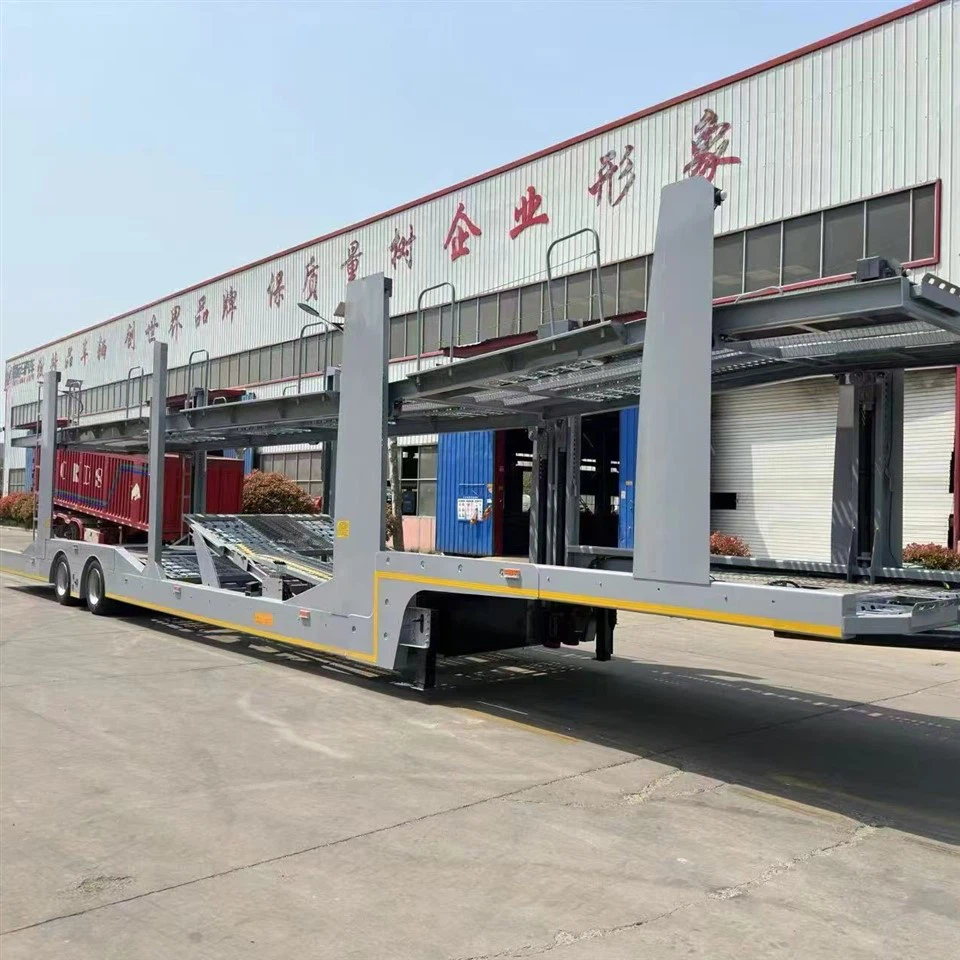

If you are interested in learning more about our chemical semi - trailers or need assistance in choosing the right capacity for your needs, please don't hesitate to contact us. We are more than happy to engage in a detailed discussion and help you make an informed decision. We also offer other types of trailers, such as Car Carrier, in case your business has diverse transportation needs.
References
- "Transportation of Dangerous Goods: Regulations and Best Practices" - International Maritime Organization
- "Chemical Tanker Design and Safety" - American Bureau of Shipping
- "Road Transport Regulations for Hazardous Materials" - United Nations Economic Commission for Europe




