

A backflip dump truck, also known as a rear dump truck, is a heavy - duty vehicle designed for transporting and unloading bulk materials such as sand, gravel, dirt, and construction debris. As a well - established backflip dump truck supplier, I've witnessed the diverse applications and varying capacities of these remarkable machines in the construction, mining, and waste management industries. In this blog, I'll delve into the typical capacity of a backflip dump truck, exploring the factors that influence it and how it impacts different operations.
Understanding the Basics of Backflip Dump Trucks
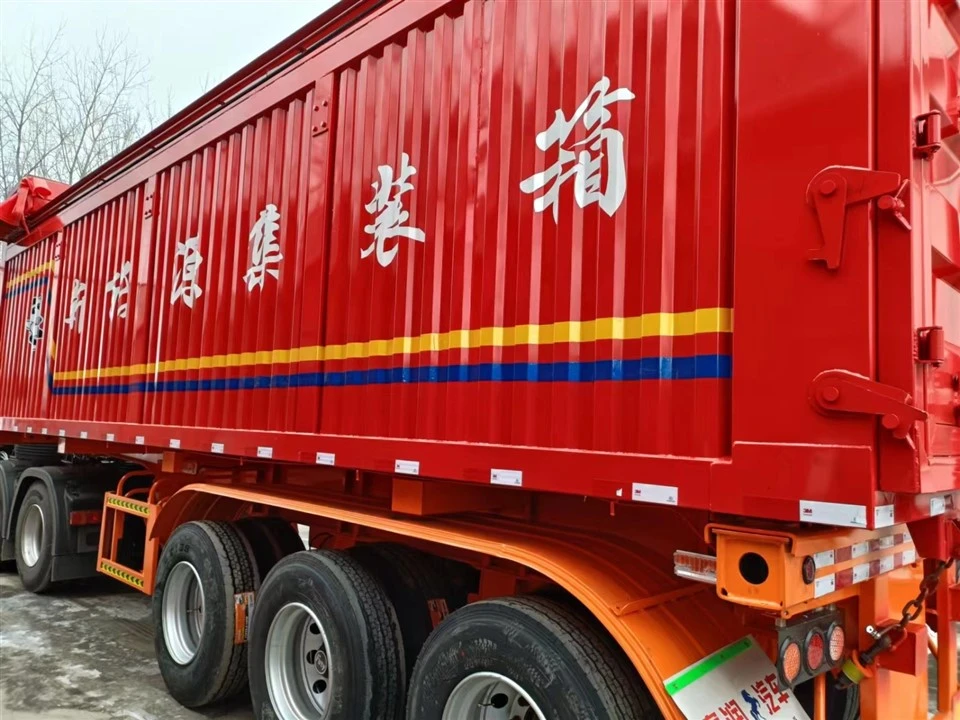
Before discussing the capacity, it's essential to understand the basic design and functionality of backflip dump trucks. These trucks feature a hydraulic system that allows the cargo bed to be tilted backward, enabling the materials to be unloaded quickly and efficiently. They come in different configurations, including Rear Dump Semi - trailer, which are often used for long - haul transportation of large volumes of materials, and Side Flip Dump Truck, which offer more flexibility in unloading in tight spaces.
Factors Influencing the Capacity of Backflip Dump Trucks
The capacity of a backflip dump truck is not a fixed value and is influenced by several key factors:
1. Truck Design and Configuration
The physical design of the truck, including the size and shape of the cargo bed, plays a significant role in determining its capacity. Larger cargo beds can naturally hold more materials. For example, semi - trailer backflip dump trucks typically have larger cargo beds compared to single - axle dump trucks, allowing them to carry greater volumes. The height of the cargo bed walls also affects the capacity; higher walls can contain more material before it spills over.
2. Axle and Suspension System
The number of axles and the strength of the suspension system are crucial factors. Trucks with more axles can distribute the weight of the load more evenly, allowing them to carry heavier loads. A robust suspension system is also necessary to support the weight of the cargo without causing damage to the truck or compromising its stability. For instance, a tandem - axle backflip dump truck can carry a heavier load than a single - axle truck due to its better weight - distribution capabilities.
3. Material Density
The type of material being transported has a direct impact on the truck's capacity. Different materials have different densities. For example, sand is denser than wood chips. A truck that can carry 20 cubic yards of wood chips may only be able to carry 15 cubic yards of sand, as the sand weighs more. When calculating the capacity, it's important to consider the weight limits as well as the volume limits of the truck.
4. Legal Weight Restrictions
Legal regulations regarding vehicle weight play a significant role in determining the practical capacity of a backflip dump truck. These regulations vary from region to region and are in place to ensure road safety and prevent damage to infrastructure. Trucks must comply with these weight limits, which may restrict the amount of material they can carry. For example, in some areas, the maximum gross vehicle weight (GVW) for a dump truck on public roads is set at 80,000 pounds.

Typical Capacity Ranges
Based on the above factors, the capacity of backflip dump trucks can vary widely. Here are some typical capacity ranges for different types of backflip dump trucks:
Small - Scale Backflip Dump Trucks
Small - scale backflip dump trucks, often used for light - duty construction projects or landscaping, typically have a capacity ranging from 2 to 5 cubic yards. These trucks are usually single - axle or have a relatively small cargo bed. They are ideal for transporting smaller amounts of materials over short distances, such as delivering topsoil to a residential garden or removing a small amount of debris from a construction site.
Medium - Sized Backflip Dump Trucks
Medium - sized backflip dump trucks are more commonly used in general construction projects. They usually have a capacity of 5 to 15 cubic yards. These trucks are often tandem - axle or have a medium - sized semi - trailer configuration. They can handle a wider range of materials and are suitable for transporting materials such as gravel, crushed stone, and construction waste within a local area.
Large - Scale Backflip Dump Trucks
Large - scale backflip dump trucks, such as those used in mining and large - scale construction projects, can have a capacity of 15 cubic yards or more. Some of the largest mining dump trucks can carry up to 400 cubic yards of material. These trucks are designed to handle extremely heavy loads and are often used in open - pit mines or large - scale infrastructure projects. For example, Tank Rear Tipping Semi - Trailer used in mining operations can carry large volumes of ore or overburden.
Impact of Capacity on Operations
The capacity of a backflip dump truck has a significant impact on the efficiency and cost - effectiveness of operations:
Efficiency
A truck with a larger capacity can transport more material in a single trip, reducing the number of trips required to complete a project. This can save time and fuel costs, especially for large - scale projects. For example, if a construction project requires 100 cubic yards of gravel, a 10 - cubic - yard dump truck would need to make 10 trips, while a 20 - cubic - yard truck would only need to make 5 trips.
Cost - Effectiveness
The cost of operating a backflip dump truck includes fuel, maintenance, and labor. By using a truck with an appropriate capacity, companies can optimize these costs. A truck that is too small may require multiple trips, increasing fuel and labor costs, while a truck that is too large may be overkill for small - scale projects and may incur higher maintenance and operating costs.
Choosing the Right Capacity for Your Needs
When selecting a backflip dump truck, it's important to consider your specific needs:
Project Scale
For small - scale projects, a small - capacity truck may be sufficient and more cost - effective. For large - scale projects, a larger - capacity truck will likely be more efficient. For example, if you're working on a residential construction project, a 5 - to 10 - cubic - yard truck may be adequate, while a large - scale commercial construction project may require a truck with a capacity of 15 cubic yards or more.
Material Type
As mentioned earlier, the type of material you'll be transporting affects the capacity requirements. If you're transporting a dense material like iron ore, you'll need a truck with a higher weight - carrying capacity, even if the volume is relatively small.
Budget
Your budget also plays a role in the decision - making process. Larger - capacity trucks generally come with a higher upfront cost and may have higher operating costs. You need to balance the need for capacity with your financial resources.
Conclusion
The capacity of a typical backflip dump truck is a complex concept influenced by various factors such as truck design, material density, and legal regulations. Understanding these factors and the typical capacity ranges can help you choose the right truck for your specific needs. Whether you're a contractor, a landscaper, or involved in the mining industry, selecting the appropriate capacity can significantly improve the efficiency and cost - effectiveness of your operations.
If you're in the market for a backflip dump truck and need further information or want to discuss your specific requirements, I encourage you to reach out. Our team of experts is ready to assist you in finding the perfect backflip dump truck that meets your needs and budget. Let's start a conversation about how we can help you take your operations to the next level.
References
- "Dump Truck Handbook: A Guide to Selection, Operation, and Maintenance" by Industry Publishing Group
- "Heavy - Duty Vehicle Engineering" by Automotive Engineering Institute
- Local transportation department regulations on vehicle weight limits




