

Hey there! I'm a supplier of flatbed semi - trailers, and I often get asked about what permits are required for transporting oversized cargo on these bad boys. So, I thought I'd put together this blog to clear things up.
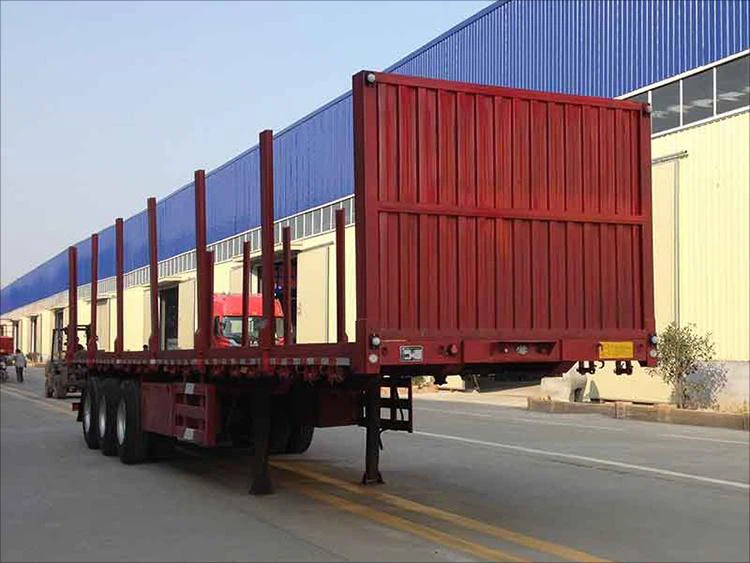
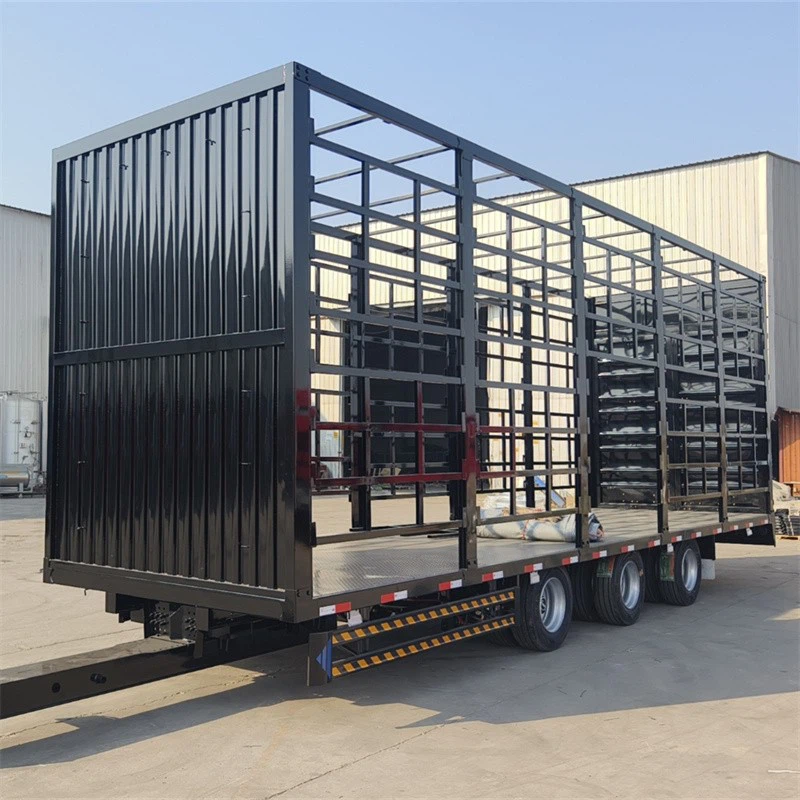
First off, let's talk about what "oversized cargo" actually means. Generally, it refers to any load that exceeds the standard legal dimensions and weight limits set by the transportation authorities. These limits can vary from state to state and country to country, but in most places, if your load is wider than 8.5 feet, taller than 13.5 feet, or longer than a certain length (usually around 48 - 53 feet), it's considered oversized. And when it comes to weight, if your load plus the trailer and truck exceeds the maximum gross vehicle weight rating (GVWR), you're looking at an oversized load situation.
Types of Permits
1. Single - Trip Permits
These are the most common type of permits for transporting oversized cargo. As the name suggests, they're valid for just one trip. If you're moving a one - off piece of oversized equipment or machinery, a single - trip permit is what you need. You'll need to provide details about your route, the dimensions and weight of your cargo, and the dates of your journey. The cost of a single - trip permit depends on a few factors, like the state you're traveling through and the size of your load.
2. Multi - Trip Permits
If you're in the business of regularly transporting oversized cargo, a multi - trip permit might be a better option. This type of permit allows you to make multiple trips within a specified period, usually a month or a year. It can save you time and money in the long run, as you don't have to apply for a new permit every time you make a delivery.
3. Annual Permits
For companies that transport oversized cargo on a daily or weekly basis, an annual permit is the way to go. It gives you the freedom to move oversized loads throughout the year without having to worry about getting a permit for each individual trip. However, the requirements for an annual permit are usually stricter, and you'll need to prove that you have the necessary safety measures in place.
Permit Application Process
Applying for a permit can be a bit of a hassle, but it's a necessary step. Here's a general overview of the process:
1. Gather Information
You'll need to know the exact dimensions and weight of your cargo, the make and model of your flatbed semi - trailer, and the route you plan to take. Make sure you have all the necessary documents, like your vehicle registration and insurance information.
2. Contact the Appropriate Authorities
In the United States, each state has its own transportation department that handles oversized load permits. You can usually apply online through their official websites, or you can call them to get more information. In other countries, the process might be different, so it's important to do your research.
3. Pay the Fees
Once your application is approved, you'll need to pay the permit fees. The amount can vary widely, so make sure you budget for it. Some states also offer discounts for early payment or for using electronic payment methods.
Special Considerations
1. Escort Vehicles
In many cases, transporting oversized cargo requires the use of escort vehicles. These are usually cars or trucks that travel in front of or behind your flatbed semi - trailer to warn other drivers and ensure the safety of your load. The number of escort vehicles you need depends on the size and type of your cargo, as well as the regulations of the state you're traveling through.
2. Travel Restrictions
Some states have restrictions on when you can transport oversized cargo. For example, you might not be allowed to travel during rush hour or on certain holidays. Make sure you check the travel restrictions for each state on your route to avoid any fines or delays.
3. Safety Equipment
Your flatbed semi - trailer must be equipped with the necessary safety equipment, such as reflective tape, warning signs, and lights. This is to make sure that your load is visible to other drivers, especially at night or in bad weather conditions.
Our Flatbed Semi - Trailers
At our company, we offer a wide range of flatbed semi - trailers that are perfect for transporting oversized cargo. We have the Hauling Semi - trailer, which is known for its durability and high - load capacity. If you need a more specialized trailer, our Centre Axle Trailer is a great option. It provides better stability and maneuverability, especially when carrying heavy or irregularly shaped loads. And for those really big jobs, our Gooseneck Plate Semi - trailer is the way to go. It can handle extremely large and heavy cargo with ease.
Conclusion
Transporting oversized cargo on a flatbed semi - trailer is a complex process that requires careful planning and the right permits. But with the right knowledge and the right equipment, it can be a smooth and profitable operation. If you're in the market for a flatbed semi - trailer or have any questions about transporting oversized cargo, don't hesitate to reach out. We're here to help you every step of the way. Whether you're a small business owner or a large logistics company, we can provide you with the best solutions for your transportation needs. So, if you're interested in learning more or want to discuss your specific requirements, get in touch with us and let's start a conversation about how we can work together.
References
- State transportation department websites
- Industry publications on oversized cargo transportation


