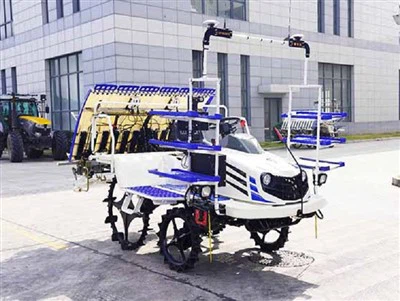
Transporting heavy machinery in a freight transport trailer is a complex and challenging task that requires careful planning, specialized equipment, and strict adherence to safety regulations. As a leading supplier of freight transport trailers, we understand the intricacies involved in this process and are committed to providing our customers with the best solutions for their heavy machinery transportation needs.
Understanding the Challenges of Heavy Machinery Transport
Heavy machinery, such as construction equipment, industrial machinery, and large vehicles, presents unique challenges when it comes to transportation. These challenges include:
- Weight and Size: Heavy machinery is often extremely heavy and large, which requires trailers with high load capacities and appropriate dimensions to accommodate the equipment.
- Fragility: Some heavy machinery may be delicate and require special handling to prevent damage during transportation.
- Safety: Ensuring the safety of the machinery, the trailer, and the transportation personnel is of utmost importance. This involves proper securing of the machinery, following traffic regulations, and conducting regular maintenance on the trailer.
Selecting the Right Trailer for Heavy Machinery Transport
Choosing the appropriate trailer for heavy machinery transport is crucial to ensure a safe and efficient journey. Here are some of the trailers we offer at our company:
- Low Flatbed Transport Semi-trailer: This type of trailer is ideal for transporting heavy and oversized machinery. It has a low deck height, which allows for easy loading and unloading of equipment. The Low Flatbed Transport Semi-trailer provides a stable platform for heavy loads and is designed to withstand the rigors of long-distance transportation.
- Three-line Transport Vehicle: The Three-line Transport Vehicle is specifically designed for transporting heavy and long loads. It features multiple axles and a unique suspension system that distributes the weight evenly, reducing the stress on the trailer and ensuring a smooth ride.
- Large Cargo Transport Semi-Trailer (Model: LCT - 500): Our Large Cargo Transport Semi-Trailer (Model: LCT - 500) is a high-capacity trailer that can handle heavy machinery with ease. It is equipped with advanced features such as hydraulic lifting systems and adjustable decks to accommodate different types of loads.
Preparing the Heavy Machinery for Transport
Before loading the heavy machinery onto the trailer, it is essential to prepare the equipment properly. This includes:
- Inspection: Conduct a thorough inspection of the machinery to identify any damage or potential issues. Make sure all components are in good working condition and that there are no loose parts.
- Cleaning: Clean the machinery to remove any dirt, debris, or contaminants that could cause damage during transportation.
- Securing: Use appropriate securing devices, such as straps, chains, and binders, to secure the machinery to the trailer. Ensure that the machinery is firmly attached and cannot move during transit.
Loading the Heavy Machinery onto the Trailer
Loading heavy machinery onto the trailer requires careful planning and the use of specialized equipment. Here are the steps involved in the loading process:


- Positioning the Trailer: Park the trailer on a level surface and ensure that it is stable. Make sure the trailer is properly aligned with the loading area.
- Using a Crane or Forklift: Depending on the size and weight of the machinery, a crane or forklift may be used to lift and place the equipment onto the trailer. Make sure the lifting equipment is capable of handling the load and that the operators are trained and experienced.
- Loading the Machinery: Slowly and carefully load the machinery onto the trailer, making sure it is centered and balanced. Use ramps or other loading aids if necessary.
- Securing the Load: Once the machinery is on the trailer, secure it using the appropriate securing devices. Check the tightness of the straps and chains regularly during the journey to ensure that the load remains secure.
Transporting the Heavy Machinery
During the transportation process, it is important to take the following precautions:
- Route Planning: Plan the route carefully, taking into account factors such as road conditions, weight restrictions, and traffic congestion. Avoid routes with low bridges, sharp turns, or other obstacles that could pose a risk to the transportation of the heavy machinery.
- Speed and Braking: Drive at a safe speed and allow for sufficient braking distance. Heavy machinery requires more time and distance to stop than lighter loads, so it is important to be extra cautious when driving.
- Regular Checks: Conduct regular checks on the trailer and the load during the journey. Check the securing devices, the tires, and the brakes to ensure that everything is in good working condition.
- Communication: Maintain communication with the transportation personnel and the customer to provide updates on the progress of the transportation and to address any issues or concerns.
Unloading the Heavy Machinery
Once the heavy machinery has reached its destination, it is time to unload it. Follow these steps to ensure a safe and efficient unloading process:
- Positioning the Trailer: Park the trailer in a suitable location for unloading. Make sure the area is clear of obstacles and that there is enough space to maneuver the machinery.
- Using a Crane or Forklift: Use a crane or forklift to lift and remove the machinery from the trailer. Make sure the lifting equipment is capable of handling the load and that the operators are trained and experienced.
- Unloading the Machinery: Slowly and carefully unload the machinery from the trailer, making sure it is placed on a stable surface. Use ramps or other unloading aids if necessary.
- Inspection: Conduct a final inspection of the machinery to ensure that it has not been damaged during transportation.
Conclusion
Transporting heavy machinery in a freight transport trailer requires careful planning, specialized equipment, and strict adherence to safety regulations. As a freight transport trailer supplier, we are committed to providing our customers with the best solutions for their heavy machinery transportation needs. Our trailers, such as the Low Flatbed Transport Semi-trailer, Three-line Transport Vehicle, and Large Cargo Transport Semi-Trailer (Model: LCT - 500), are designed to handle heavy loads safely and efficiently.
If you are in need of a reliable freight transport trailer for your heavy machinery transportation, we encourage you to contact us for a consultation. Our team of experts will be happy to assist you in selecting the right trailer for your needs and to provide you with all the information you need to ensure a successful transportation experience.
References
- "Heavy Equipment Hauling: A Guide to Transporting Large Machinery." MachineryTrader.com.
- "Transporting Heavy Machinery: Best Practices and Safety Tips." ConstructionEquipment.com.
- "Trailer Selection for Heavy Machinery Transport." TrailerLife.com.