As a seasoned supplier of transport semi - trailers, I understand the critical importance of well - adjusted brakes for the safety and efficiency of these heavy - duty vehicles. In this blog, I'll guide you through the process of adjusting the brakes on a transport semi - trailer, ensuring that you can keep your equipment in top - notch condition.
Why Brake Adjustment Matters
Before delving into the adjustment process, it's essential to understand why proper brake adjustment is crucial. Well - adjusted brakes ensure optimal stopping power, which is vital for the safety of the driver, the cargo, and other road users. Over time, brake components wear down, and the brake shoes or pads move further away from the brake drums or rotors. This can lead to increased stopping distances, uneven braking, and potential brake failure if not addressed promptly.
Tools You'll Need
To adjust the brakes on a transport semi - trailer, you'll need the following tools:
- Brake adjustment tool: This is a specialized tool designed to turn the brake adjuster screw.
- Jack and jack stands: To lift the trailer safely and support it while working on the brakes.
- Wrench set: For removing any necessary components, such as wheel covers or lug nuts.
- Safety goggles and gloves: To protect yourself from debris and brake dust.
Pre - adjustment Checks
Before you start adjusting the brakes, perform the following pre - adjustment checks:
- Visual inspection: Examine the brake components for signs of wear, damage, or contamination. Look for cracked brake drums, worn brake shoes, or leaks in the brake lines.
- Check the brake fluid level: If your semi - trailer has hydraulic brakes, ensure that the brake fluid reservoir is at the appropriate level. Low brake fluid can indicate a leak in the system.
- Inspect the wheel bearings: Make sure the wheel bearings are properly lubricated and adjusted. Loose or worn wheel bearings can affect the performance of the brakes.
Step - by - Step Brake Adjustment Process
Step 1: Lift the Trailer
Using a jack, carefully lift the semi - trailer at the appropriate lifting points. Place jack stands under the trailer frame to support it securely. Make sure the trailer is level and stable before proceeding.
Step 2: Remove the Wheel
Use a wrench to remove the lug nuts and take off the wheel. This will give you access to the brake assembly.
Step 3: Locate the Brake Adjuster
The brake adjuster is typically located at the bottom of the brake backing plate. It is a threaded screw that, when turned, adjusts the position of the brake shoes or pads.
Step 4: Adjust the Brakes
Insert the brake adjustment tool into the adjuster and turn it in the appropriate direction. In most cases, turning the adjuster clockwise will move the brake shoes closer to the brake drum, while turning it counter - clockwise will move them further away.
Turn the adjuster slowly and in small increments. As you turn the adjuster, you should feel the brake shoes making contact with the brake drum. You can check this by rotating the brake drum by hand. It should turn freely but with a slight drag.
Step 5: Check the Brake Clearance
Once you've adjusted the brakes, check the brake clearance. The clearance should be uniform around the entire circumference of the brake drum. You can use a feeler gauge to measure the clearance if necessary.

Step 6: Reassemble the Wheel
Put the wheel back on the hub and tighten the lug nuts in a star pattern to ensure even tightening. Lower the trailer off the jack stands using the jack.
Step 7: Repeat the Process
Repeat the above steps for each wheel on the semi - trailer. It's important to adjust all the brakes evenly to ensure balanced braking performance.
Different Types of Transport Semi - Trailers and Their Brake Considerations
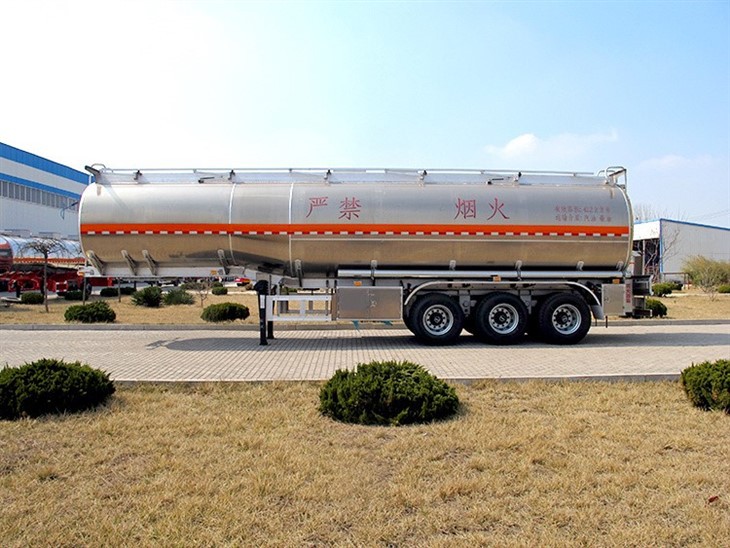
- Tank Transport Semi - trailer: Tank Transport Semi - trailer are often used to carry liquids, which can shift during transit. This shifting can affect the weight distribution on the trailer, putting additional stress on the brakes. When adjusting the brakes on a tank transport semi - trailer, it's important to consider the potential for weight changes and ensure that the brakes are adjusted accordingly.
- Cryogenic Liquid Semi - trailer: Cryogenic Liquid Semi - trailer carry extremely cold liquids, such as liquid nitrogen or oxygen. The low temperatures can affect the performance of the brake components, including the brake fluid and the rubber seals. When working on the brakes of a cryogenic liquid semi - trailer, take extra precautions to ensure that the components are in good condition and that the brake adjustment is accurate.
- Coal Transport Semi - trailer: Coal Transport Semi - trailer are subject to heavy loads and rough road conditions. The coal dust can also contaminate the brake components, leading to increased wear. Regular brake adjustment and maintenance are essential for coal transport semi - trailers to ensure safe operation.
Post - adjustment Checks
After adjusting the brakes, perform the following post - adjustment checks:
- Test the brakes: Take the semi - trailer for a short test drive in a safe area. Apply the brakes gently at low speeds to ensure that they are working properly. Check for any pulling to one side or unusual noises.
- Re - check the brake fluid level: If you had to remove any components that could have affected the brake fluid level, such as the wheel cylinder, re - check the fluid level and top it off if necessary.
- Inspect the wheels: Make sure the wheels are properly tightened and that there are no signs of looseness or vibration.
Conclusion
Proper brake adjustment is a fundamental aspect of maintaining a transport semi - trailer. By following the steps outlined in this blog, you can ensure that your semi - trailer's brakes are in optimal condition, providing reliable stopping power and enhancing safety on the road.
If you're in the market for a high - quality transport semi - trailer or need further assistance with brake adjustment and maintenance, don't hesitate to reach out. We're here to help you make the right choice for your transportation needs. Whether you're looking for a Tank Transport Semi - trailer, a Cryogenic Liquid Semi - trailer, or a Coal Transport Semi - trailer, we have a wide range of options to meet your requirements. Contact us today to start the procurement discussion.
References
- "Commercial Vehicle Brake Systems" - A technical manual on brake systems for commercial vehicles.
- "Semi - Trailer Maintenance Guide" - A comprehensive guide to maintaining transport semi - trailers.