

As a seasoned supplier of transport semi - trailers, I understand that choosing the right tires for your semi - trailer is crucial for ensuring safety, efficiency, and cost - effectiveness. In this blog post, I'll share some insights on how to make the best tire selection for your transport semi - trailer.

Understanding Your Trailer's Needs
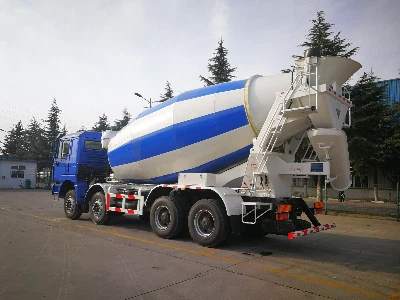
The first step in choosing the right tires is to understand the specific requirements of your transport semi - trailer. Different types of semi - trailers have different weight capacities, load distributions, and usage patterns. For example, a Chemical Semi - trailer that transports hazardous chemicals may require tires with special resistance properties to handle the potential exposure to corrosive substances. On the other hand, a F3000 Mixer Truck used in the construction industry needs tires that can withstand heavy loads and rough terrains.
You also need to consider the average load your trailer will carry. Overloading can put excessive stress on the tires, leading to premature wear, blowouts, and other safety hazards. Check your trailer's specifications to determine the maximum load capacity and choose tires with a load - rating that can comfortably handle that weight.

Tire Size and Type
Tire size is an important factor that directly affects the performance of your semi - trailer. The size is usually indicated on the sidewall of the tire in a format like "295/75R22.5". The first number (295 in this example) represents the tire width in millimeters, the second number (75) is the aspect ratio (the height of the tire sidewall as a percentage of the width), and the letter "R" stands for radial construction. The last number (22.5) is the diameter of the wheel in inches.

It's essential to choose the correct tire size recommended by your trailer manufacturer. Using the wrong size can affect the trailer's handling, braking, and fuel efficiency.
There are different types of tires available for semi - trailers, including: - All - position tires: These tires can be used on the steering, drive, and trailer axles. They offer a good balance of traction, durability, and fuel efficiency. - Drive tires: Designed for the drive axles, drive tires have deep treads and aggressive patterns to provide maximum traction, especially in wet or slippery conditions. - Trailer tires: Trailer tires are mainly used on the trailer axles. They are optimized for long - haul applications and typically have a lower rolling resistance to improve fuel economy.
Tread Pattern
The tread pattern of a tire plays a significant role in its performance. For transport semi - trailers, the choice of tread pattern depends on the driving conditions and the type of cargo.
- Ribbed tread pattern: This pattern consists of continuous ribs running around the tire. Ribbed tires offer low rolling resistance, which helps to improve fuel efficiency. They are suitable for highway driving on dry or wet roads.
- Block tread pattern: Block - patterned tires have individual blocks separated by grooves. They provide excellent traction on both wet and dry surfaces, making them a good choice for off - road or rough - terrain applications.
- Directional tread pattern: Directional tires have a V - shaped tread pattern that is designed to channel water away from the tire, reducing the risk of hydroplaning. They are ideal for driving in wet conditions.
Tread Depth and Wear
Tread depth is a critical factor in tire safety. The minimum legal tread depth for semi - trailer tires in most countries is 2/32 of an inch. However, for optimal performance and safety, it's recommended to replace tires when the tread depth reaches 4/32 of an inch.
Regularly inspect your tires for signs of uneven wear. Uneven wear can indicate problems with tire alignment, inflation, or suspension. If you notice uneven wear, it's important to have your trailer checked by a professional to prevent further damage to the tires.
Tire Construction
The construction of a tire affects its strength, durability, and performance. There are two main types of tire construction: bias - ply and radial.
- Bias - ply tires: In bias - ply tires, the plies are arranged at an angle (usually 30 - 40 degrees) to the centerline of the tire. Bias - ply tires are known for their strength and resistance to cuts and punctures. However, they tend to have a higher rolling resistance, which can result in lower fuel efficiency.
- Radial tires: Radial tires have plies that run radially from bead to bead, perpendicular to the centerline of the tire. They offer better ride comfort, lower rolling resistance, and longer tread life compared to bias - ply tires. Most modern transport semi - trailers use radial tires.
Weather and Road Conditions
The weather and road conditions in your operating area also influence the choice of tires. If you frequently drive in areas with heavy snow or ice, you may need to consider using winter tires or tires with a snow - rated tread pattern. These tires have special rubber compounds and tread designs that provide better traction in cold and slippery conditions.
On the other hand, if you mostly drive on highways in dry and warm climates, all - season tires with a low rolling resistance may be the best option.
Cost - Benefit Analysis
While it's important to choose high - quality tires for your semi - trailer, cost is also a significant consideration. However, it's not advisable to choose the cheapest tires available, as they may not offer the same level of performance, durability, and safety as more expensive ones.
Conduct a cost - benefit analysis by comparing the initial cost of the tires with their expected lifespan, fuel efficiency, and maintenance requirements. A tire that costs a bit more upfront but lasts longer and saves on fuel may be a better investment in the long run.
Maintenance and Care
Proper maintenance and care of your tires can extend their lifespan and ensure optimal performance. Here are some maintenance tips: - Inflation: Check the tire pressure regularly (at least once a week) and keep it at the recommended level. Under - inflated tires can increase rolling resistance, reduce fuel efficiency, and cause uneven wear. Over - inflated tires can be more prone to blowouts and may not provide adequate traction. - Rotation: Rotate your tires regularly to ensure even wear. The rotation pattern depends on the number of axles and the type of tires on your trailer. - Alignment: Have your trailer's wheels aligned periodically to prevent uneven wear and improve handling.
Conclusion
Choosing the right tires for your transport semi - trailer is a complex decision that requires careful consideration of various factors. By understanding your trailer's needs, considering tire size, type, tread pattern, construction, and the operating conditions, you can make an informed choice that ensures safety, efficiency, and cost - effectiveness.
If you're in the market for a new transport semi - trailer or need advice on tire selection, we're here to help. Whether you're interested in a Chemical Semi - trailer, a F3000 Mixer Truck, or a Cryogenic Liquid Semi - trailer, our team of experts can provide you with the best solutions tailored to your requirements. Contact us today to start the procurement and negotiation process.
References
- "Tire and Rim Association Yearbook".
- "Commercial Vehicle Tire Guide" by major tire manufacturers.
- Industry research reports on semi - trailer tire performance and safety.


