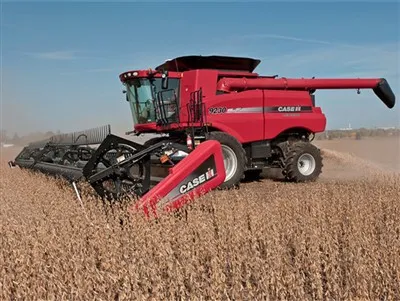
In the dynamic landscape of modern agriculture, technological advancements are constantly reshaping the way we approach farming. As a leading supplier of large cotton harvesters, I often find myself contemplating the potential of retrofitting these machines with new technology. The question at hand is: Is it possible to retrofit a large cotton harvester with new technology? In this blog post, I will delve into this topic, exploring the feasibility, benefits, and challenges of retrofitting large cotton harvesters.
The Feasibility of Retrofitting
Retrofitting a large cotton harvester with new technology is indeed possible, but it requires careful consideration and planning. The first step is to assess the existing harvester's mechanical and electrical systems to determine their compatibility with the new technology. Modern cotton harvesters are complex machines with a wide range of components, including engines, hydraulic systems, and electronic controls. These systems need to be evaluated to ensure that they can support the additional functionality and power requirements of the new technology.
One of the key factors in determining the feasibility of retrofitting is the age and condition of the harvester. Older harvesters may have outdated technology and components that are not easily compatible with new systems. In some cases, it may be more cost-effective to replace the entire harvester rather than attempting to retrofit it. However, if the harvester is relatively new and in good condition, retrofitting can be a viable option.

Another important consideration is the availability of retrofit kits and components. Many technology companies are now offering retrofit solutions specifically designed for agricultural machinery, including cotton harvesters. These kits typically include all the necessary hardware and software to integrate the new technology into the existing harvester. Working with a reputable supplier can ensure that the retrofit is done correctly and that the new technology is fully compatible with the harvester.
Benefits of Retrofitting
There are several benefits to retrofitting a large cotton harvester with new technology. One of the most significant advantages is increased efficiency. New technology can improve the harvester's performance in various ways, such as optimizing the picking process, reducing downtime, and improving fuel efficiency. For example, advanced sensors and control systems can monitor the cotton quality and adjust the harvester's settings in real-time, ensuring that only high-quality cotton is harvested. This not only improves the yield but also reduces the amount of waste.
Retrofitting can also enhance the safety of the harvester. New technology can include features such as collision avoidance systems, automatic emergency braking, and improved visibility through the use of cameras and sensors. These safety features can help prevent accidents and protect the operators and other workers in the field.
In addition to efficiency and safety, retrofitting can also provide environmental benefits. New technology can help reduce the environmental impact of cotton harvesting by minimizing the use of pesticides and fertilizers. For example, precision agriculture techniques can be used to apply these chemicals only where they are needed, reducing waste and pollution.
Challenges of Retrofitting
While there are many benefits to retrofitting a large cotton harvester with new technology, there are also some challenges that need to be addressed. One of the main challenges is the cost. Retrofitting can be expensive, especially if the new technology requires significant modifications to the existing harvester. The cost of the retrofit kit, installation, and training can add up quickly, and it may take some time for the investment to pay off.
Another challenge is the complexity of the retrofit process. Retrofitting a large cotton harvester involves working with a variety of mechanical, electrical, and electronic systems, and it requires specialized knowledge and skills. It is important to work with a qualified technician or a team of experts who have experience in retrofitting agricultural machinery.
Compatibility issues can also be a challenge. New technology may not be fully compatible with the existing harvester's systems, which can lead to performance problems and reliability issues. It is important to thoroughly test the new technology before installing it on the harvester to ensure that it works properly and does not cause any damage to the existing systems.

Case Studies
To illustrate the feasibility and benefits of retrofitting a large cotton harvester with new technology, let's look at a few case studies.
Case Study 1: Precision Picking System
A cotton farmer in Texas decided to retrofit his large cotton harvester with a precision picking system. The system uses advanced sensors and cameras to detect the location and quality of the cotton bolls, allowing the harvester to pick only the ripe cotton. The retrofit was relatively straightforward, and the farmer noticed a significant improvement in the quality of the harvested cotton. The precision picking system also reduced the amount of waste, resulting in higher yields and increased profits.
Case Study 2: Autonomous Operation
A large cotton farming operation in Australia retrofitted several of its cotton harvesters with autonomous operation technology. The technology allows the harvesters to operate without a human operator, using GPS and sensors to navigate the fields and perform the harvesting process. The retrofit required some modifications to the harvesters' control systems, but the benefits were substantial. The autonomous operation technology increased the efficiency of the harvesting process, reduced labor costs, and improved the safety of the workers.
Conclusion
In conclusion, it is possible to retrofit a large cotton harvester with new technology, but it requires careful consideration and planning. The feasibility of retrofitting depends on several factors, including the age and condition of the harvester, the availability of retrofit kits and components, and the cost of the retrofit. While there are many benefits to retrofitting, such as increased efficiency, safety, and environmental sustainability, there are also some challenges that need to be addressed, such as the cost, complexity, and compatibility issues.
As a supplier of large cotton harvesters, I am committed to providing our customers with the latest technology and solutions to help them improve their farming operations. We offer a range of retrofit kits and services to help our customers upgrade their existing harvesters with new technology. If you are interested in learning more about retrofitting your large cotton harvester, please visit our website at Large Cotton Harvester or contact us for more information. We look forward to working with you to find the best solution for your needs.

References
- "Agricultural Machinery Retrofitting: A Review." Journal of Agricultural Engineering Research, vol. 85, no. 2, 2000, pp. 123-132.
- "Precision Agriculture Technologies for Cotton Harvesting." Proceedings of the International Conference on Precision Agriculture, 2018, pp. 456-463.
- "Autonomous Agricultural Machinery: Challenges and Opportunities." Journal of Field Robotics, vol. 35, no. 6, 2018, pp. 901-916.