

Unloading a transport semi - trailer safely is of utmost importance in the logistics and transportation industry. As a seasoned transport semi - trailer supplier, I understand the potential risks involved in the unloading process and the crucial role it plays in ensuring the well - being of workers, the integrity of the cargo, and the smooth operation of the supply chain. In this blog, I'll share some key steps and best practices on how to unload a transport semi - trailer safely.
Pre - Unloading Preparations
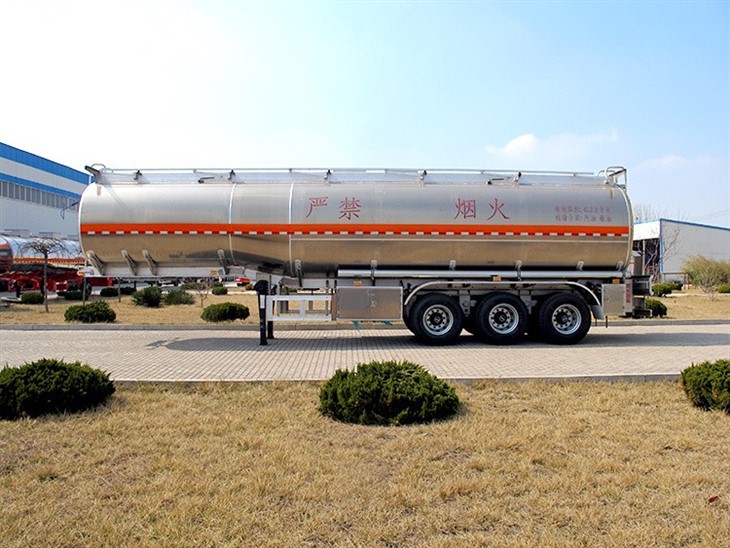
Before initiating the unloading process, a series of essential preparatory steps must be taken. First and foremost, it's vital to conduct a thorough inspection of the semi - trailer. Check for any visible signs of damage such as dents, cracks, or leaks, especially if you are dealing with Chemical Semi - trailer and Dongfeng Oil Tank Semi - trailer. These trailers carry hazardous materials, and any damage could lead to catastrophic consequences.
Verify that the trailer is in a stable position. Use wheel chocks to prevent the trailer from rolling, which is a simple yet effective safety measure. Ensure the parking brake is engaged, and the trailer is on a level surface. This is crucial to maintain stability during the unloading operation, especially when heavy equipment is involved.
Another critical aspect is to communicate with the relevant personnel. Informing the driver, warehouse staff, and any other stakeholders about the unloading plan helps in coordinating the process smoothly. Provide clear instructions on the type of cargo, handling requirements, and potential hazards. For example, if the semi - trailer contains fragile items, all workers need to be aware so that they can handle the goods with care.
Unloading Different Types of Cargo
General Goods
For general goods like boxes and pallets, use appropriate lifting equipment such as forklifts or pallet jacks. Make sure the operators are properly trained and certified to operate these machines. When using forklifts, check the forks for the correct size and alignment to avoid dropping the load.
During the unloading process, stack the goods in an organized manner. Avoid over - stacking, as it can lead to instability and potential collapse. Keep aisles clear for easy movement of equipment and personnel. If the cargo has specific storage requirements, such as temperature or humidity control, ensure these conditions are met during the transfer.
Liquid Cargo
When dealing with Tank Transport Semi - trailer, the unloading process is more complex. First, connect the unloading hoses properly, making sure there are no leaks at the connections. Use spill containment equipment in case of accidental leaks.
It's essential to follow the correct pressure and flow rate guidelines when discharging the liquid. Over - pressurizing the system can cause damage to the tank and hoses, leading to spills. Monitor the unloading process closely to ensure that the liquid is being transferred safely and without any issues. For example, if the liquid is flammable, keep all sources of ignition away from the unloading area.
Heavy Equipment
Unloading heavy equipment requires extra caution. Use cranes or other specialized lifting devices that are rated for the weight of the equipment. Check the rigging and slings for any signs of wear or damage. Attach the lifting points correctly to the equipment to ensure a balanced lift.

Before lowering the equipment to the ground, make sure the landing area is prepared. It should be flat and able to support the weight of the equipment. Avoid sudden movements during the lift and lower to prevent damage to the equipment and potential injury to workers.
Safety Protocols During Unloading
Personal protective equipment (PPE) is a must for all workers involved in the unloading process. This includes hard hats, safety glasses, gloves, and steel - toed boots. Depending on the nature of the cargo, additional PPE such as respirators or chemical - resistant suits may be required.
Maintain a safe distance from moving equipment and falling objects. Mark off the unloading area with safety barriers or cones to prevent unauthorized access. Provide regular safety training to all workers, covering topics such as emergency procedures, handling hazardous materials, and the proper use of equipment.
Have an emergency plan in place. This should include procedures for dealing with spills, fires, and other unexpected events. Make sure all workers are familiar with the emergency exits and the location of safety equipment such as fire extinguishers and first - aid kits.
Post - Unloading Procedures
After the unloading is complete, conduct a final inspection of the semi - trailer. Check for any remaining cargo, debris, or damage that may have occurred during the process. Secure any loose components, such as doors and ramps, to prevent them from causing hazards during transportation.
Clean up the unloading area. Dispose of any waste or packaging materials properly. This not only helps in maintaining a clean and safe working environment but also prevents any potential environmental hazards.
Finally, document the unloading process. Record information such as the time of unloading, the quantity and condition of the cargo, and any incidents that occurred. This documentation is valuable for future reference and can help in identifying areas for improvement in the unloading process.
Conclusion
Unloading a transport semi - trailer safely is a multi - step process that requires careful planning, proper equipment, and strict adherence to safety protocols. By following the steps outlined above, you can minimize the risks associated with the unloading process and ensure the well - being of everyone involved.
As a transport semi - trailer supplier, I am committed to providing high - quality trailers and supporting our customers with the knowledge and resources needed for safe unloading operations. If you are in the market for a reliable transport semi - trailer or need further advice on safe unloading, feel free to reach out to us. We are here to assist you in making the right choice for your transportation needs and ensuring that your loading and unloading processes are as safe as possible.
References
- Occupational Safety and Health Administration (OSHA) regulations on trailer unloading.
- Industry best practices handbook for logistics and transportation.


