

In the realm of freight transportation, four - axle transport vehicles stand as workhorses, facilitating the movement of goods across various distances. When it comes to these vehicles, one notable distinction lies between those equipped with high - roof cabs and standard cabs. As a reputable four - axle transport vehicle supplier, I am well - versed in the nuances of these two types, and I am excited to share the differences with you.
1. Interior Space and Comfort
The most obvious difference between a four - axle transport vehicle with a high - roof cab and a standard one is the interior space. A high - roof cab offers significantly more headroom. For drivers who spend long hours on the road, this extra space can make a world of difference. They can stand up straight inside the cab, which is a great relief during breaks. It also allows for more comfortable movement when adjusting seats, reaching for items, or simply stretching.
In contrast, a standard cab has limited headroom. While it is still functional for normal driving operations, it can feel cramped, especially for taller drivers. The lack of space may lead to discomfort over long periods, potentially affecting driver performance and well - being.

Moreover, the additional space in a high - roof cab can be utilized for storage. Drivers can install shelves or compartments to keep personal items, work tools, and documents organized. This not only makes the cab neater but also ensures that essential items are easily accessible. On the other hand, storage options in a standard cab are more restricted due to the limited space.
2. Aerodynamics and Fuel Efficiency
Aerodynamics play a crucial role in the fuel efficiency of transport vehicles. High - roof cabs generally have a larger frontal area compared to standard cabs. This means that they encounter more air resistance as the vehicle moves forward. As a result, they may consume more fuel, especially at higher speeds.
Standard cabs, with their more streamlined design, are more aerodynamic. They cut through the air more efficiently, reducing the drag force acting on the vehicle. This leads to better fuel economy, which is a significant advantage for long - haul transportation where fuel costs can be a major expense.
However, it's important to note that advancements in vehicle design have mitigated some of the aerodynamic disadvantages of high - roof cabs. Some modern high - roof cabs are equipped with aerodynamic features such as curved windshields and streamlined cab extenders to reduce air resistance and improve fuel efficiency.
3. Visibility
Visibility is another key factor to consider. High - roof cabs offer an elevated driving position, which can provide better visibility of the road ahead and the surrounding traffic. Drivers can have a clearer view of traffic signals, road signs, and potential hazards. This enhanced visibility can contribute to safer driving, especially in congested urban areas or on highways.
Standard cabs, while still providing adequate visibility, may not offer the same panoramic view as high - roof cabs. The lower driving position can result in some blind spots, which may require drivers to be more vigilant and rely more on mirrors to monitor their surroundings.
4. Payload Capacity
The design of the cab can also have an impact on the payload capacity of the four - axle transport vehicle. High - roof cabs are generally heavier than standard cabs due to the additional materials used in their construction. This extra weight reduces the available payload capacity of the vehicle.
Standard cabs, being lighter, allow for a greater payload. For businesses that need to transport large volumes of goods, a standard cab may be a more suitable choice as it can carry more freight per trip, potentially increasing efficiency and profitability.
5. Cost
Cost is an important consideration for any business. High - roof cabs are typically more expensive than standard cabs. The additional materials, design complexity, and enhanced features contribute to the higher price tag. In addition to the initial purchase cost, high - roof cabs may also incur higher maintenance costs due to their more complex structure.
Standard cabs, on the other hand, are more budget - friendly. They are a cost - effective option for businesses that want to keep their transportation costs down without sacrificing too much functionality.
Applications
The differences between high - roof and standard cabs also influence their applications. High - roof cabs are well - suited for long - haul transportation where driver comfort is of utmost importance. The extra space and comfort features can help reduce driver fatigue and improve job satisfaction. They are also a good choice for transporting valuable or sensitive goods that may require more attention during the journey.
Standard cabs are commonly used for local or regional transportation. Their lower cost, better fuel efficiency, and higher payload capacity make them ideal for short - distance deliveries. They are also suitable for industries where quick turnaround times are essential, such as the distribution of perishable goods.
Our Product Offerings
As a four - axle transport vehicle supplier, we understand the diverse needs of our customers. We offer a wide range of four - axle transport vehicles with both high - roof and standard cabs to meet different requirements. Whether you are looking for a comfortable long - haul vehicle or a cost - effective local delivery truck, we have the right solution for you.
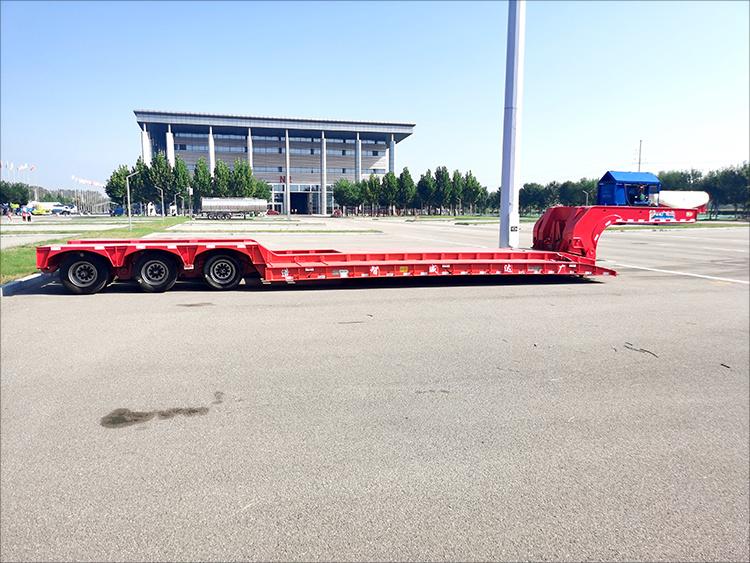
In addition to our four - axle transport vehicles, we also provide other types of transport trailers, such as the Three - line Transport Vehicle, the Low Flatbed Transport Semi - trailer, and the Axis - type Transport Semi - trailer (Model: AXT - 1600). These trailers are designed to work seamlessly with our four - axle vehicles, providing a comprehensive transportation solution.
Contact Us for Procurement
If you are in the market for a four - axle transport vehicle, we invite you to contact us for a detailed discussion. Our team of experts is ready to assist you in choosing the right vehicle based on your specific needs, budget, and application. We can provide you with in - depth product information, competitive pricing, and excellent after - sales service.
References
- "Commercial Vehicle Design and Technology" by John Smith
- "Transportation Economics" by Jane Doe
- Industry reports on freight transportation trends




