

What are the tire requirements for a chemical semi - trailer?
As a reputable chemical semi - trailer supplier, I understand the critical importance of selecting the right tires for these specialized vehicles. Chemical semi - trailers are used to transport a wide range of hazardous and non - hazardous chemicals, and the tires play a vital role in ensuring the safety, efficiency, and durability of the transportation process. In this blog, I will delve into the specific tire requirements for chemical semi - trailers.
Load - carrying capacity
One of the primary considerations when choosing tires for a chemical semi - trailer is the load - carrying capacity. Chemical semi - trailers can carry large volumes of chemicals, which can be extremely heavy. The tires must be able to support the weight of the trailer itself, the chemical cargo, and any additional equipment.
Tire manufacturers typically provide load - rating charts that indicate the maximum weight a tire can safely carry at a specific inflation pressure. It is crucial to select tires with a load - carrying capacity that exceeds the actual weight of the fully loaded chemical semi - trailer. Overloading the tires can lead to premature wear, reduced traction, and an increased risk of blowouts, which can have catastrophic consequences when transporting chemicals.
Resistance to chemicals
Chemical semi - trailers are exposed to a variety of chemicals, some of which can be highly corrosive or reactive. Tires used on these trailers must have a high level of resistance to chemical damage.
Rubber compounds used in tire manufacturing can vary significantly in their chemical resistance. For example, some tires are formulated with special additives to resist the effects of oil, grease, and certain solvents. When transporting chemicals such as acids or alkalis, it is essential to choose tires that are specifically designed to withstand these substances. Otherwise, the chemicals can degrade the tire rubber, causing it to lose its structural integrity and increasing the risk of failure.
Traction and grip
Good traction and grip are essential for the safe operation of a chemical semi - trailer, especially when driving on wet, slippery, or uneven roads. Tires with poor traction can lead to longer braking distances, difficulty in steering, and an increased risk of skidding or jackknifing.
The tread pattern of the tire plays a crucial role in providing traction. Tires with deep, wide grooves are better at channeling water away from the tire's contact patch, reducing the risk of hydroplaning on wet roads. Additionally, some tires are designed with special tread compounds that provide better grip on icy or snowy surfaces. When selecting tires for a chemical semi - trailer, it is important to consider the typical driving conditions in which the trailer will operate and choose tires with an appropriate tread pattern and compound.
Durability and longevity
Chemical semi - trailers often cover long distances and operate in challenging environments. Therefore, the tires need to be durable and have a long service life.
Factors that affect tire durability include the quality of the rubber compound, the construction of the tire, and the maintenance practices. Tires with a strong sidewall construction are less likely to be damaged by curbs, potholes, or other road hazards. Regular tire maintenance, such as proper inflation, rotation, and alignment, can also significantly extend the life of the tires.
Temperature resistance
Chemical semi - trailers may operate in a wide range of temperatures, from extremely cold to very hot conditions. Tires need to be able to withstand these temperature variations without losing their performance characteristics.
In cold temperatures, the rubber in the tires can become stiff, reducing traction and increasing the risk of cracking. Tires designed for cold - weather use are typically made with a special rubber compound that remains flexible at low temperatures. In hot temperatures, the tires can overheat, which can lead to tread separation and other forms of damage. Tires with good heat - dissipation properties are essential for preventing overheating in hot climates.
Compatibility with trailer axles and suspension
The tires must be compatible with the trailer's axles and suspension system. The size, load - rating, and offset of the tires need to match the specifications of the axles to ensure proper alignment and balance.

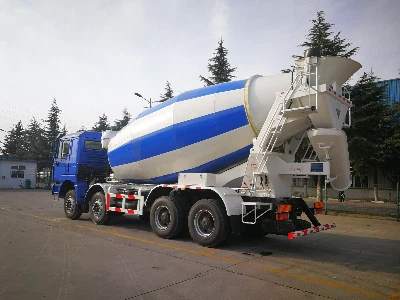
An improper tire - axle combination can lead to uneven tire wear, poor handling, and increased stress on the suspension components. It is important to consult the trailer manufacturer's guidelines or a professional tire installer to ensure that the selected tires are compatible with the chemical semi - trailer.
At our company, we offer a wide range of chemical semi - trailers, including F3000 Mixer Truck, Tank Transport Semi - trailer, and Liquid Food Transport Semi - trailer. We understand the importance of choosing the right tires for these trailers and can provide expert advice on tire selection and maintenance.
If you are in the market for a chemical semi - trailer or need assistance with tire selection for your existing trailer, we encourage you to contact us for a consultation. Our team of experienced professionals is ready to help you find the best solutions for your transportation needs.
References
- Tire Industry Association. (Year). Tire Load and Inflation Guidelines.
- Manufacturer's manuals for chemical semi - trailers and tires.
- Research papers on tire performance and chemical resistance.


