

Regular maintenance is crucial for the longevity, safety, and efficiency of transport semi-trailers. As a transport semi-trailer supplier, I've witnessed firsthand the impact of proper maintenance on the performance of these vehicles. In this blog, I'll discuss the various types of maintenance that should be done regularly on a transport semi-trailer.
1. Structural Inspection and Maintenance
The structural integrity of a transport semi-trailer is of utmost importance. Regular inspections should be carried out to check for any signs of damage, corrosion, or wear.
- Frame Inspection: The frame is the backbone of the semi-trailer. It should be inspected for cracks, bends, or any other signs of structural damage. Cracks can weaken the frame and lead to catastrophic failures, especially under heavy loads. Inspect welds for signs of cracking or separation. Any damaged areas should be repaired or replaced immediately.
- Body Panels and Flooring: Check the body panels for dents, holes, or rust. Damaged body panels can not only affect the aesthetics of the trailer but also compromise its weatherproofing. The flooring should be inspected for wear, rot, or damage. If the flooring is made of wood, it may need to be replaced periodically to ensure a safe and stable surface for cargo.
- Corrosion Prevention: Corrosion is a common problem for transport semi-trailers, especially those exposed to harsh environmental conditions. Regularly clean the trailer to remove dirt, salt, and other corrosive substances. Apply a protective coating to the frame and body panels to prevent rust and corrosion.
2. Suspension System Maintenance
The suspension system of a transport semi-trailer plays a vital role in providing a smooth ride and protecting the cargo.
- Shock Absorbers: Shock absorbers help to dampen the vibrations and shocks caused by uneven road surfaces. Inspect the shock absorbers for leaks, damage, or excessive wear. Worn-out shock absorbers can lead to a rough ride, increased tire wear, and reduced handling. Replace them if necessary.
- Springs and Axles: Check the springs for signs of sagging, cracking, or breakage. The axles should be inspected for proper alignment and any signs of damage. Misaligned axles can cause uneven tire wear and affect the handling of the trailer. Lubricate the suspension components regularly to ensure smooth operation.
- Tire Maintenance: Tires are one of the most critical components of a transport semi-trailer. Regularly check the tire pressure and ensure it is within the recommended range. Underinflated tires can increase fuel consumption, reduce tire life, and affect the handling of the trailer. Inspect the tires for tread depth, cuts, bulges, or other signs of damage. Replace the tires when the tread depth reaches the minimum legal limit.
3. Braking System Maintenance
The braking system is essential for the safety of the transport semi-trailer and its cargo.
- Brake Pads and Shoes: Inspect the brake pads and shoes for wear. Worn-out brake pads and shoes can reduce the braking efficiency and increase the stopping distance. Replace them when they reach the minimum thickness.
- Brake Lines and Hoses: Check the brake lines and hoses for leaks, cracks, or damage. Damaged brake lines and hoses can cause a loss of brake fluid and result in a complete brake failure. Replace any damaged components immediately.
- Brake Calipers and Wheel Cylinders: Inspect the brake calipers and wheel cylinders for proper operation. Sticking calipers or wheel cylinders can cause uneven braking and excessive heat buildup. Lubricate the caliper slides and wheel cylinder pistons regularly to ensure smooth operation.
4. Electrical System Maintenance
The electrical system of a transport semi-trailer is responsible for powering the lights, signals, and other electrical components.
- Battery Maintenance: Check the battery for proper charge and electrolyte level. Clean the battery terminals to prevent corrosion. A weak or dead battery can cause problems with the electrical system and prevent the trailer from being properly illuminated.
- Lighting System: Inspect the lights, including the headlights, taillights, brake lights, and turn signals, for proper operation. Replace any burned-out bulbs or damaged fixtures. Faulty lighting can pose a safety hazard, especially during nighttime driving.
- Wiring Inspection: Check the wiring harness for any signs of damage, such as frayed wires or loose connections. Damaged wiring can cause electrical shorts and other problems. Repair or replace any damaged wiring as needed.
5. Coupling and Towing Equipment Maintenance
The coupling and towing equipment are used to connect the semi-trailer to the tractor unit.
- Fifth Wheel and Kingpin: Inspect the fifth wheel and kingpin for proper alignment and wear. The fifth wheel should be lubricated regularly to ensure smooth coupling and uncoupling. Check the locking mechanism to ensure it is functioning properly.
- Safety Chains and Electrical Connectors: Inspect the safety chains for any signs of damage or wear. The chains should be properly attached and have the correct tension. Check the electrical connectors for a secure connection and any signs of corrosion or damage.
6. Specialized Maintenance for Different Types of Semi-Trailers
Depending on the type of cargo being transported, different types of semi-trailers may require specialized maintenance.
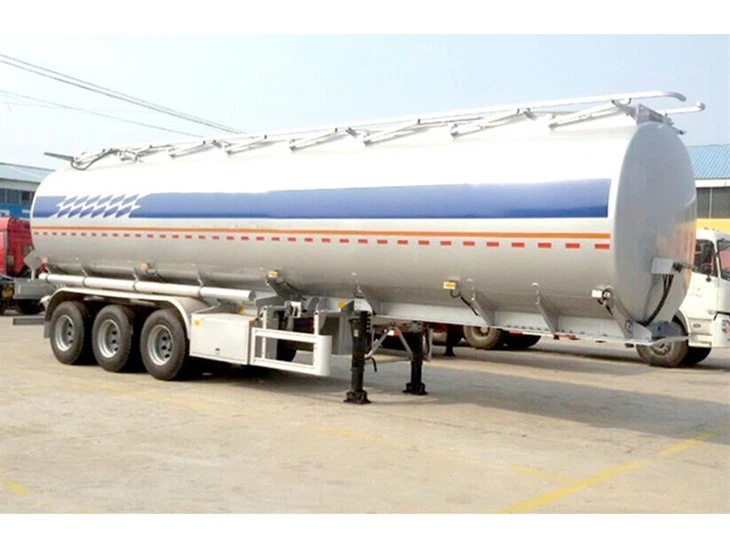
- Tank Transport Semi-trailer: Tank trailers used for transporting liquids or gases require special attention to prevent leaks and ensure the integrity of the tank. Regularly inspect the tank for any signs of damage, corrosion, or leaks. Check the valves, fittings, and seals for proper operation. Clean the tank periodically to prevent the buildup of residue.
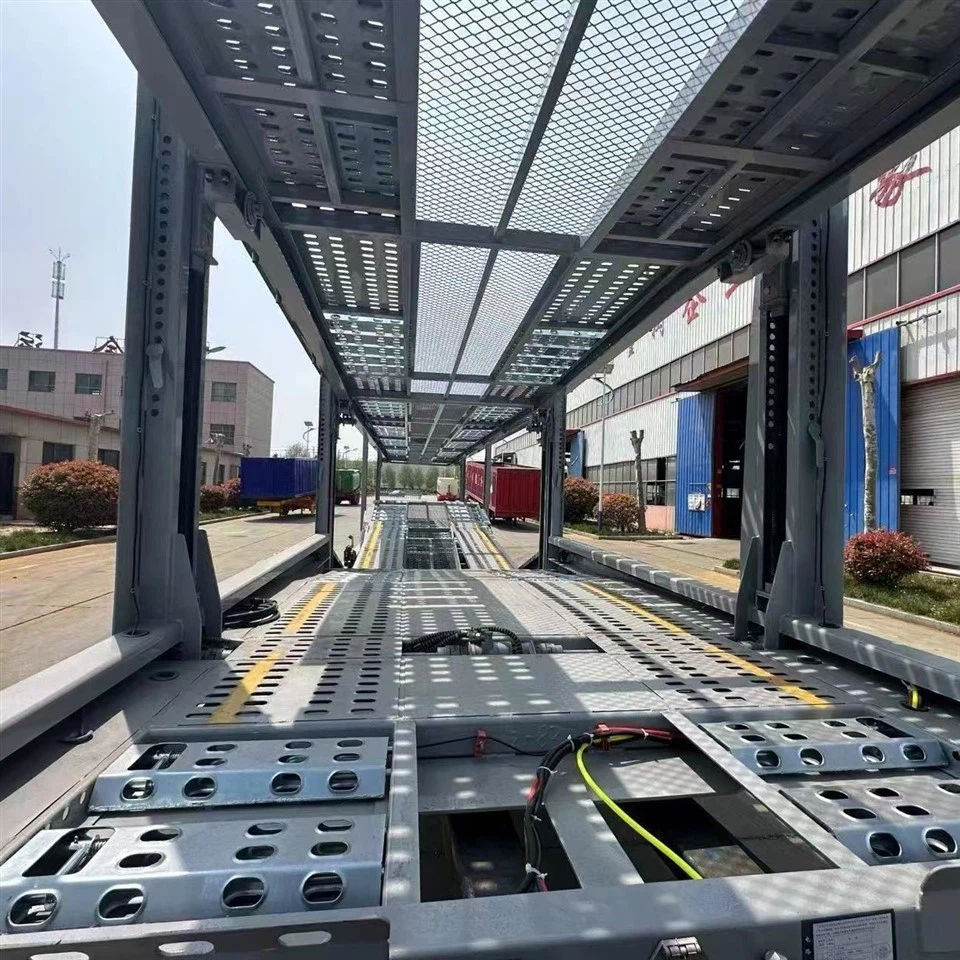
- Car Carrier: Car carriers need to be maintained to ensure the safe transport of vehicles. Inspect the loading ramps, tie-downs, and vehicle restraints for any signs of damage or wear. Check the winches and cables for proper operation. Keep the carrier clean to prevent damage to the vehicles being transported.
- Dangerous Goods Transport Semi-trailer: Trailers used for transporting dangerous goods must comply with strict safety regulations. Regularly inspect the trailer for any signs of damage or leaks that could pose a risk to the environment or public safety. Ensure that all safety equipment, such as fire extinguishers and emergency response kits, is in good working condition.
Conclusion
Regular maintenance of a transport semi-trailer is essential for ensuring its safety, reliability, and longevity. By following a comprehensive maintenance schedule and addressing any issues promptly, you can minimize downtime, reduce repair costs, and protect your investment. If you're in the market for a new transport semi-trailer or need assistance with maintenance and repair, please don't hesitate to contact us. We're here to help you find the right solution for your transportation needs.
References
- "Commercial Vehicle Maintenance and Repair Manual"
- "Semi-Trailer Safety and Maintenance Guidelines"
- Industry standards and regulations related to transport semi-trailers


