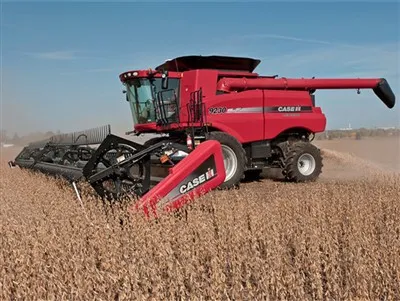
As a supplier of corn rapid picking machines, I understand the significance of adjusting the picking height to ensure efficient and high - quality corn harvesting. In this blog, I will share some practical methods and considerations for adjusting the picking height of a corn rapid picking machine.
Why Adjust the Picking Height?
Before delving into the adjustment methods, it's essential to understand why adjusting the picking height matters. The correct picking height can optimize the harvesting process in several ways. Firstly, it can minimize the loss of corn kernels. If the picking height is too high, some ears of corn may be left unharvested. Conversely, if it is too low, the machine may pick up excessive amounts of stalks and debris, which can clog the machine and reduce its efficiency. Secondly, proper picking height can protect the machine. When the machine picks up too many non - corn materials due to an improper height setting, it can cause excessive wear and tear on the machine's components, leading to increased maintenance costs and potential breakdowns.
Factors Affecting Picking Height
Several factors need to be considered when determining the appropriate picking height.
- Corn Variety: Different corn varieties have different growth characteristics, including the height at which the ears are borne. Some varieties may have ears closer to the ground, while others have them higher up. For example, dwarf corn varieties usually have lower - hanging ears, and the picking height should be adjusted accordingly to ensure all ears are harvested.
- Field Conditions: The condition of the field also plays a role. In fields with uneven terrain, the picking height may need to be adjusted more frequently. If there are ruts or bumps in the field, the machine may need to be set at a slightly higher height to avoid picking up soil or stones, which can damage the machine.
- Stalk Strength: The strength of the corn stalks can affect the picking height. Weak or brittle stalks may break more easily during the harvesting process. If the stalks are weak, a slightly higher picking height can be set to reduce the risk of the stalks breaking and causing blockages in the machine.
Adjustment Methods
Manual Adjustment
Most corn rapid picking machines are equipped with a manual adjustment mechanism. Here's a step - by - step guide on how to perform manual adjustment:


- Inspect the Machine: Before making any adjustments, ensure that the machine is turned off and in a safe state. Check for any visible damage or loose parts on the picking mechanism.
- Locate the Adjustment Points: Refer to the machine's user manual to find the adjustment points for the picking height. These are usually located near the picking heads and are often in the form of bolts or levers.
- Measure the Current Height: Use a measuring tool, such as a tape measure, to determine the current picking height. This will give you a baseline for your adjustments.
- Make Incremental Adjustments: Loosen the bolts or operate the levers to raise or lower the picking heads. Make small adjustments at a time, usually no more than a few centimeters per adjustment. After each adjustment, measure the new height to ensure it is within the desired range.
- Test the Machine: Once you have made the adjustments, start the machine and run it through a small test area in the field. Observe the harvesting process to see if the corn is being picked efficiently and if there are any signs of problems, such as missed ears or excessive debris. If necessary, make further adjustments.
Automatic Adjustment
Some advanced corn rapid picking machines come with automatic adjustment systems. These systems use sensors to detect the height of the corn ears and adjust the picking height in real - time. Here's how they work:
- Sensor Installation: The sensors are usually installed on the front of the machine, near the picking heads. They can detect the position of the corn ears using technologies such as infrared or ultrasonic sensors.
- System Calibration: Before using the automatic adjustment system, it needs to be calibrated. This involves setting the system to recognize the typical height range of the corn ears in the field. Follow the manufacturer's instructions for calibration, which may involve adjusting the sensitivity of the sensors and setting the desired picking height range.
- Operation: Once the system is calibrated, it will automatically adjust the picking height as the machine moves through the field. The sensors continuously monitor the height of the corn ears and send signals to the machine's control unit, which then adjusts the picking heads accordingly.
Maintenance and Precautions
- Regular Maintenance: Regularly maintain the adjustment mechanisms of the machine. Lubricate the moving parts, such as bolts and levers, to ensure smooth operation. Check for any signs of wear or damage and replace any worn - out parts promptly.
- Safety First: When adjusting the picking height, always follow safety procedures. Wear appropriate safety gear, such as gloves and safety glasses. Ensure that the machine is turned off and the power source is disconnected before making any adjustments.
Related Agricultural Machinery
In addition to corn rapid picking machines, we also offer a range of other agricultural machinery, such as the Household Soybean Harvester, Agricultural Rice Transplanter, and Large Cotton Harvester. These machines are designed to meet the diverse needs of modern agriculture and can significantly improve the efficiency of farming operations.
Conclusion
Adjusting the picking height of a corn rapid picking machine is a crucial step in ensuring efficient and high - quality corn harvesting. By considering factors such as corn variety, field conditions, and stalk strength, and using the appropriate adjustment methods, you can optimize the performance of the machine. Whether you choose manual or automatic adjustment, regular maintenance and safety precautions are essential. If you are interested in our corn rapid picking machines or other agricultural machinery, please feel free to contact us for more information and to discuss your procurement needs.
References
- Manufacturer's user manuals for corn rapid picking machines.
- Agricultural engineering textbooks on crop harvesting technology.
- Industry research reports on modern agricultural machinery.