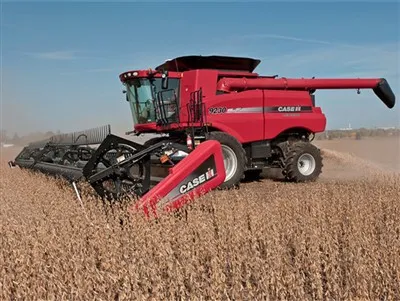
A durable rotary tiller is an invaluable tool for farmers and gardeners alike, designed to break up, mix, and aerate the soil efficiently. To ensure its long - lasting performance and optimal functionality, proper lubrication is essential. As a supplier of Durable Rotary Tiller, I am here to share some professional insights on how to lubricate this powerful machine.
Understanding the Importance of Lubrication
Lubrication serves multiple crucial functions in a rotary tiller. Firstly, it reduces friction between moving parts. The tines of the tiller dig into the ground, and the gears and shafts that drive them experience significant mechanical stress. Without proper lubrication, these parts would wear out quickly due to the high - pressure contact, leading to premature failure and costly repairs.
Secondly, lubrication helps in heat dissipation. The friction generated during operation produces heat, and excessive heat can damage the metal components. A good lubricant acts as a coolant, carrying away the heat and maintaining the temperature within a safe range for the machine.
Finally, lubrication protects the parts from corrosion. Moisture in the air and soil can cause rusting, especially in metal components. A lubricant forms a protective barrier that prevents water and oxygen from coming into contact with the metal surfaces, thus extending the lifespan of the tiller.
Types of Lubricants
There are several types of lubricants suitable for a rotary tiller, and the choice depends on the specific parts of the machine.
Engine Oil
The engine of the rotary tiller is its heart, and using the right engine oil is crucial. Most rotary tillers are powered by small gasoline or diesel engines. For gasoline engines, a multi - grade oil such as SAE 10W - 30 is commonly recommended. This type of oil has good viscosity characteristics, providing proper lubrication in both cold and warm temperatures. Diesel engines usually require a heavier - grade oil, like SAE 15W - 40, which can withstand the higher compression ratios and operating temperatures of diesel engines.
Gear Oil
The gearbox of the rotary tiller transfers power from the engine to the tines. Gear oil is specifically designed to handle the high - load and high - pressure conditions in the gearbox. A common choice is a hypoid gear oil with a viscosity rating such as SAE 80W - 90. This oil has excellent anti - wear and extreme - pressure properties, ensuring smooth operation of the gears and preventing them from grinding against each other.
Grease
Grease is used for lubricating the bearings, joints, and other moving parts that require a thick, sticky lubricant. Lithium - based grease is a popular choice for rotary tillers. It has good adhesion properties, staying in place even under heavy vibrations and high - speed rotation. It also provides excellent water resistance, which is important as the tiller often operates in wet or muddy conditions.
Lubrication Points
To ensure comprehensive lubrication, it is necessary to identify the key lubrication points on the rotary tiller.
Engine
The engine oil reservoir is usually located on the side or bottom of the engine. Before adding oil, make sure the engine is cool. Remove the oil filler cap and use a dipstick to check the oil level. If the level is low, pour the recommended engine oil slowly into the reservoir until it reaches the appropriate level on the dipstick. Replace the oil filler cap tightly after refilling.
Gearbox
The gearbox has a filler plug and a drain plug. First, place a drain pan under the drain plug and remove it to drain the old gear oil. Once the old oil has completely drained, replace the drain plug. Then, remove the filler plug and use a funnel to pour the new gear oil into the gearbox until it reaches the appropriate level, which is usually indicated by the filler hole. Replace the filler plug securely.
Bearings and Joints
The bearings and joints on the tiller's tines and shafts need to be greased regularly. Use a grease gun to apply grease to the grease fittings. Pump the grease gun until a small amount of fresh grease oozes out from the bearing or joint, indicating that it is fully lubricated.
Lubrication Frequency
The frequency of lubrication depends on the usage of the rotary tiller.
Engine Oil
For light - duty use, such as occasional gardening, the engine oil should be changed every 25 - 50 hours of operation. For heavy - duty use, such as commercial farming, it is recommended to change the engine oil every 10 - 25 hours of operation. Additionally, it is a good practice to check the oil level before each use.


Gear Oil
The gear oil in the gearbox should be changed every 100 - 200 hours of operation. However, if the tiller is used in extremely dusty or dirty conditions, the interval may need to be shortened.
Grease
The bearings and joints should be greased every 10 - 15 hours of operation. This ensures that they remain well - lubricated and can operate smoothly.
Lubrication Procedure
Pre - lubrication Inspection
Before starting the lubrication process, it is important to inspect the tiller for any signs of damage or wear. Check the engine for leaks, the gearbox for loose bolts, and the tines for any bent or broken parts. If any issues are found, they should be repaired before lubrication.
Cleaning
Clean the lubrication points thoroughly before adding new lubricant. Dirt and debris can mix with the lubricant and cause abrasion and damage to the parts. Use a clean cloth or a brush to remove any dirt, rust, or old lubricant from the engine oil filler, gearbox filler and drain plugs, and grease fittings.
Lubricant Application
When adding lubricant, follow the manufacturer's instructions carefully. Pour the engine oil and gear oil slowly to avoid spills. When using a grease gun, apply the grease evenly to the bearings and joints.
Post - lubrication Check
After lubrication, check for any signs of over - filling or leaks. Make sure all the filler and drain plugs are tightened properly. Start the engine and let it run for a few minutes to circulate the lubricant throughout the system. Listen for any unusual noises or vibrations, which may indicate a problem with the lubrication or other parts of the tiller.
Other Tips for Maintaining a Rotary Tiller
In addition to proper lubrication, there are other maintenance practices that can enhance the durability of the rotary tiller.
Storage
When the tiller is not in use, store it in a dry and sheltered place. If possible, cover it with a tarp to protect it from the elements. Before storage, clean the tiller thoroughly to remove any dirt and debris, and lubricate all the moving parts to prevent corrosion.
Tine Maintenance
Regularly inspect the tines for wear and damage. Replace any worn or broken tines promptly to ensure efficient tilling. Sharpen the tines periodically to improve their cutting performance.
Air Filter Maintenance
The air filter of the engine prevents dirt and debris from entering the engine. A dirty air filter can reduce engine performance and fuel efficiency. Clean or replace the air filter according to the manufacturer's recommendations.
As a supplier of Durable Rotary Tiller, we also offer other high - quality agricultural engineering vehicles, such as Household Soybean Harvester and Quick and Convenient Rice Harvester. If you are interested in our products or have any questions about lubrication or maintenance, please feel free to contact us for procurement and further discussions.
References
- "Small Engine Repair Manual" by John Doe
- "Agricultural Machinery Maintenance Guide" by Jane Smith
- Manufacturer's manuals of the rotary tiller, household soybean harvester, and quick and convenient rice harvester.