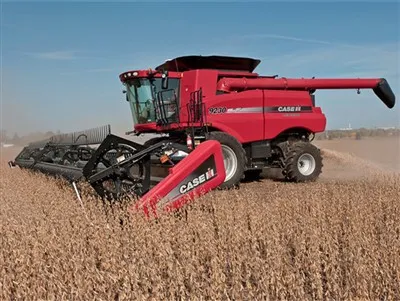
Measuring the harvesting accuracy of a small wheat harvester is a crucial aspect for both farmers and suppliers. As a supplier of small wheat harvesters, I understand the significance of ensuring high - quality performance and accurate harvesting. In this blog, I will discuss the methods and factors involved in measuring the harvesting accuracy of a small wheat harvester.
1. Understanding the Concept of Harvesting Accuracy
Harvesting accuracy refers to the ability of the harvester to efficiently and precisely cut, thresh, and clean the wheat crop. It involves minimizing losses during the harvesting process, such as grain losses in the field, and ensuring that the harvested wheat meets the required quality standards. High - accuracy harvesting not only maximizes the yield but also reduces waste and improves the overall efficiency of the farming operation.
2. Key Metrics for Measuring Harvesting Accuracy
Grain Losses
One of the most important metrics for measuring harvesting accuracy is grain losses. Grain losses can occur at different stages of the harvesting process, including cutting, threshing, and cleaning. To measure grain losses, we can use the following methods:
- Field Sampling: This involves collecting samples of the unharvested wheat in the field before harvesting and then comparing it with the amount of wheat left in the field after harvesting. By calculating the difference, we can determine the grain losses during the harvesting process.
- Loss Monitoring Sensors: Many modern small wheat harvesters are equipped with loss monitoring sensors. These sensors use advanced technologies such as infrared or laser to detect and measure the amount of grain being lost during the harvesting process. The data collected by these sensors can be used to adjust the harvester settings in real - time to minimize losses.
Harvesting Width and Cutting Quality
The harvesting width of the small wheat harvester is another important factor in measuring accuracy. A consistent and appropriate harvesting width ensures that the entire wheat field is evenly harvested. To measure the harvesting width, we can use a measuring tape or other distance - measuring tools.
Cutting quality is also crucial. A clean and even cut of the wheat stalks reduces the chances of grain losses and improves the overall efficiency of the threshing process. We can visually inspect the cut stalks in the field to assess the cutting quality. Uneven cuts or damaged stalks may indicate problems with the cutting mechanism of the harvester.
Threshing and Cleaning Efficiency
Threshing is the process of separating the grain from the straw, and cleaning is the process of removing impurities from the harvested grain. To measure threshing efficiency, we can calculate the percentage of grain that is successfully separated from the straw. This can be done by weighing the grain and the straw before and after threshing.
Cleaning efficiency can be measured by analyzing the amount of impurities in the harvested grain. Samples of the harvested grain can be taken and analyzed in a laboratory to determine the percentage of impurities such as chaff, dirt, and broken grains.


3. Factors Affecting Harvesting Accuracy
Harvester Settings
The settings of the small wheat harvester play a significant role in determining the harvesting accuracy. For example, the speed of the harvester, the height of the cutting blade, and the settings of the threshing and cleaning mechanisms need to be adjusted according to the characteristics of the wheat crop, such as the height, density, and moisture content. Incorrect settings can lead to increased grain losses and poor harvesting quality.
Crop Conditions
The condition of the wheat crop also affects the harvesting accuracy. Factors such as the maturity of the crop, the presence of weeds, and the moisture content can all impact the performance of the harvester. For instance, if the wheat is too wet, it may be more difficult to thresh and clean, leading to higher grain losses. On the other hand, if the wheat is over - mature, it may shatter easily during harvesting, also resulting in losses.
Operator Skill
The skill of the operator is another important factor. A well - trained operator can adjust the harvester settings correctly, drive the harvester smoothly, and make real - time decisions to optimize the harvesting process. In contrast, an inexperienced operator may make mistakes that can reduce the harvesting accuracy.
4. Improving Harvesting Accuracy
Regular Maintenance
Regular maintenance of the small wheat harvester is essential for ensuring high - accuracy harvesting. This includes checking and replacing worn - out parts, lubricating the moving components, and calibrating the sensors and mechanisms. By keeping the harvester in good working condition, we can minimize the chances of breakdowns and ensure consistent performance.
Operator Training
Providing comprehensive training to the operators is crucial. Operators should be trained on how to operate the harvester correctly, adjust the settings according to the crop conditions, and troubleshoot common problems. Training programs can also include hands - on experience in the field to help operators gain practical skills.
Use of Advanced Technologies
As a supplier, we are constantly exploring and incorporating advanced technologies into our small wheat harvesters. For example, the use of GPS technology can help the harvester to operate more accurately, ensuring a consistent harvesting width and reducing overlapping. Additionally, the development of more advanced loss monitoring sensors and intelligent control systems can further improve the harvesting accuracy.
5. Our Small Wheat Harvester and Related Products
At our company, we offer a high - quality Small Wheat Harvester that is designed to provide accurate and efficient harvesting. Our harvester is equipped with the latest technologies and features to ensure minimal grain losses and high - quality performance.
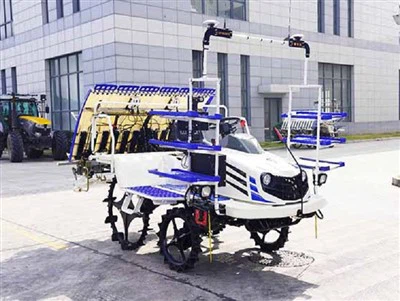
In addition to the small wheat harvester, we also offer other agricultural machinery, such as the Household Soybean Harvester and the Agricultural Rice Transplanter (Model: AG - RT800). These products are designed to meet the diverse needs of farmers and improve the overall efficiency of agricultural operations.
6. Contact for Purchase and Consultation
If you are interested in our small wheat harvester or other agricultural machinery, we welcome you to contact us for purchase and consultation. We are committed to providing you with the best products and services to meet your agricultural needs. Our team of experts is ready to assist you in choosing the most suitable equipment and answering any questions you may have.
References
- Smith, J. (2018). Agricultural Machinery and Harvesting Efficiency. Journal of Agricultural Engineering, 25(3), 123 - 135.
- Brown, A. (2020). Improving Harvesting Accuracy in Small - Scale Agriculture. Agricultural Science Review, 30(2), 89 - 98.
- Green, C. (2019). The Impact of Operator Skill on Harvester Performance. Journal of Farm Management, 18(4), 201 - 210.